








What's Happening?
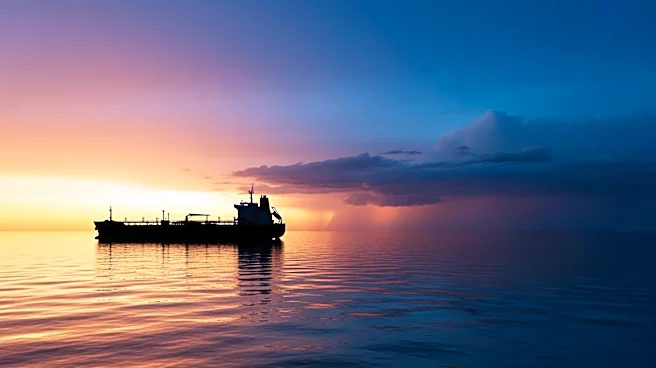
A US warplane disabled a tanker in the Gulf of Oman, identified as the Palau-flagged MT Settebello, for attempting to transport Iranian oil in violation of a US blockade. The attack left three Indian crew members missing, prompting India to lodge a strong
protest with the US. The incident is part of a series of maritime confrontations in the region, with both US and Iranian forces enforcing rival blockades.
Why It's Important?
The incident underscores the heightened tensions in the Strait of Hormuz, a vital corridor for global oil shipments. The US blockade aims to curb Iran's oil exports, but such military actions risk escalating into broader conflicts, potentially disrupting global energy supplies and affecting international relations. The safety of international shipping and the protection of seafarers are critical issues for global trade.
What's Next?
Diplomatic efforts are likely to intensify as countries like India seek to protect their nationals and ensure maritime safety. The international community may call for negotiations to de-escalate tensions and restore safe passage through the Strait of Hormuz. Monitoring and enforcement of maritime laws will be crucial in preventing further incidents.
Beyond the Headlines
The situation highlights the complex interplay of military strategy and international diplomacy in the region. The use of military force to enforce economic sanctions raises ethical and legal questions about the protection of civilian lives and the sovereignty of nations involved in maritime trade.