


What's Happening?
The Sanibel-Captiva Conservation Foundation (SCCF) Marine Lab has documented varying concentrations of the algae *Margalefidinium polykrikoides* in Tarpon Bay and nearshore areas of Sanibel, Captiva, North Captiva, and Cayo Costa. This phenomenon, often
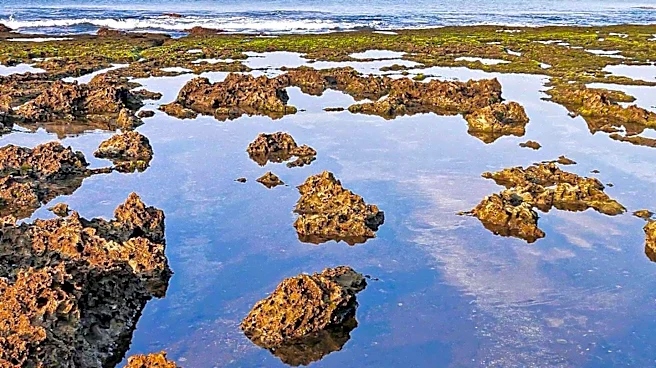
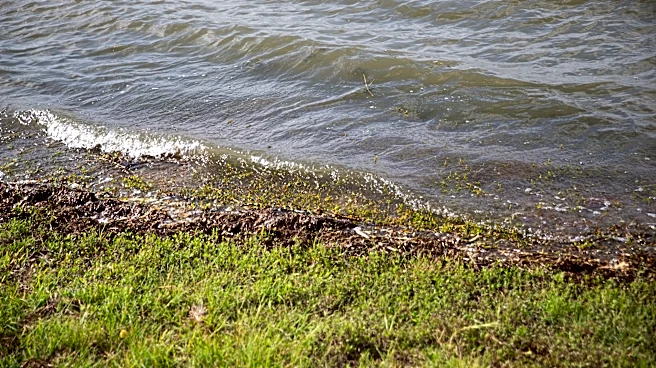
referred to as a 'rust tide' due to the water's discoloration at high concentrations, was observed on September 12. While *M. polykrikoides* is a dinoflagellate commonly found in nutrient-rich estuarine waters globally and can cause fish and shellfish kills at high concentrations, it is considered rare in local waters, with the last recorded concentrations near Sanibel in 2023. The SCCF has reported no known fish kills or wildlife impacts so far and continues to monitor the situation. Unlike red tide (*Karenia brevis*), *M. polykrikoides* is not known to harm humans or produce airborne brevetoxins that cause respiratory irritation.
Why It's Important?
The documentation of this 'rust tide' is important for understanding the ecological health of Southwest Florida's coastal waters. Although *Margalefidinium polykrikoides* does not pose the same direct human health risks as red tide, its presence in varying concentrations highlights the dynamic nature of marine ecosystems and the potential for algal blooms. These blooms, even if not directly toxic to humans, can impact marine life, particularly fish and shellfish, if concentrations become high enough. The SCCF's ongoing monitoring efforts are crucial for tracking the bloom's progression and assessing any potential ecological consequences, providing valuable data for local environmental management and conservation strategies. This event underscores the need for continuous scientific observation to protect coastal biodiversity and water quality.
What's Next?
The SCCF Marine Lab will continue to monitor the concentrations of *Margalefidinium polykrikoides* in the affected areas. Updates on the situation will be provided through the Caloosahatchee Conditions Report. Residents and visitors are advised to follow basic precautions recommended for any algae bloom, such as avoiding contact with discolored water or dead fish, and staying informed about local health advisories. Further research into the specific conditions that led to this rare occurrence in local waters may also be pursued to better predict and manage future blooms. The data collected will contribute to a broader understanding of algal dynamics in the region.
Beyond the Headlines
The occurrence of a 'rust tide' in Southwest Florida, even a non-toxic one, points to the broader issue of water quality and nutrient loading in coastal environments. While *Margalefidinium polykrikoides* is naturally occurring, its proliferation can be exacerbated by nutrient-rich runoff from land-based sources. This event serves as a reminder of the interconnectedness of land and sea, and the impact of human activities on marine ecosystems. The SCCF's role in documenting and monitoring such events is vital for informing public awareness and guiding policy decisions aimed at preserving the delicate balance of coastal habitats. It also highlights the importance of distinguishing between different types of algal blooms, as public perception and response can vary significantly based on the specific species involved and its potential impacts.