






What's Happening?
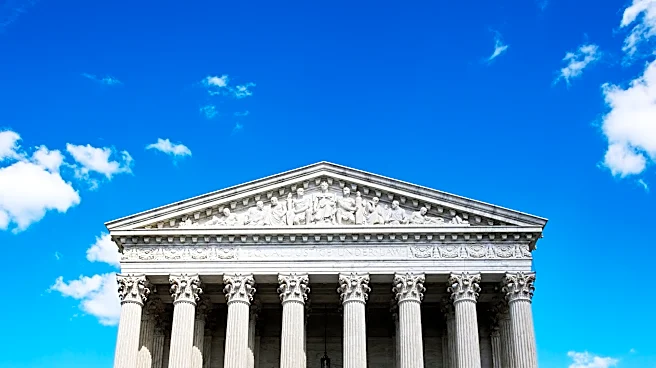
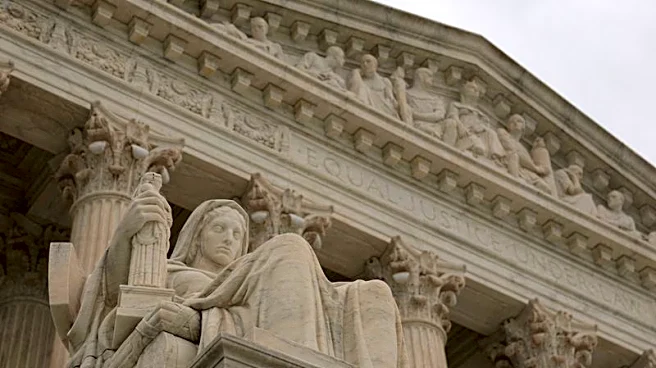
The U.S. Supreme Court has rejected Florida's attempt to sue California and Washington state over their issuance of commercial driver's licenses (CDLs) to immigrants who are not authorized to be in the United States. The case arose after a fatal crash
in Florida involving a driver with a CDL from California, who was also licensed in Washington. Florida, led by Republican officials, argued that these states were defying federal immigration laws by issuing licenses to non-citizens. The Supreme Court's decision not to hear the case leaves the lower court's ruling intact, which allows states to continue issuing CDLs to immigrants under their current policies. Justices Clarence Thomas and Samuel Alito dissented, arguing that the court should have heard the case.
Why It's Important?
The Supreme Court's decision has significant implications for state-level immigration policies and the trucking industry. By declining to hear the case, the court effectively upholds the ability of states like California and Washington to issue CDLs to immigrants, which could influence labor dynamics in the trucking sector. This decision may also impact ongoing debates about state versus federal authority in immigration matters. For states that rely on immigrant labor for their economies, this ruling supports their ability to maintain workforce levels in critical industries. Conversely, it may prompt further legal challenges from states seeking stricter immigration enforcement.