





What's Happening?
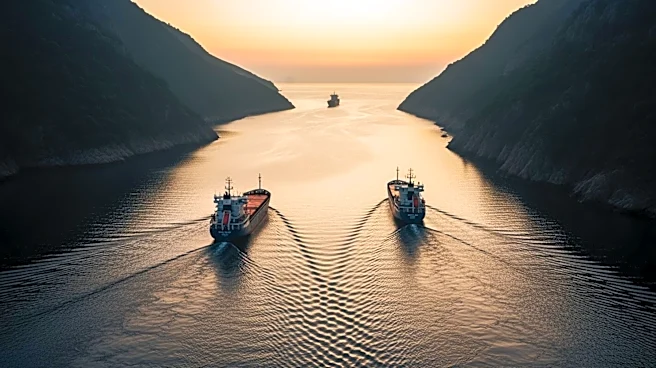
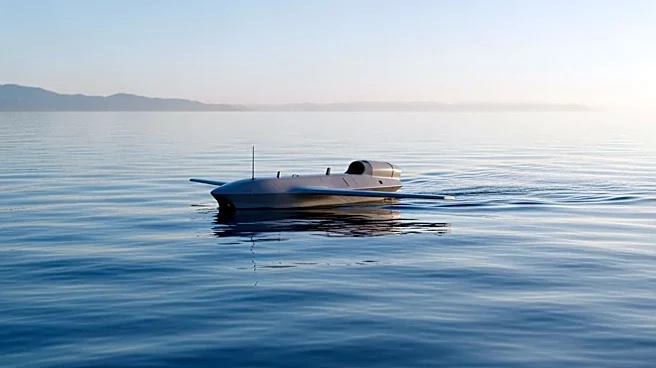
The European Union has proposed that its Aspides naval mission take a primary role in clearing mines in the Strait of Hormuz, as part of a Franco-British-led initiative. This proposal comes amid heightened tensions in the region, following U.S. and Israeli
strikes on Iran, which have led to the de facto closure of the Strait. The EU's diplomatic service emphasizes the need for a meaningful contribution from all member states to support this coalition, once conditions allow. The Aspides mission, originally established to protect ships from attacks by Yemen’s Houthi rebel group, would require unanimous support from the EU's 27 member countries to change its mandate.
Why It's Important?
The closure of the Strait of Hormuz has significant implications for global oil and liquefied natural gas supplies, as around a fifth of these resources pass through this key waterway. The EU's initiative aims to ensure safe transit through the Strait, which is crucial for maintaining energy security in Europe and beyond. The proposal also highlights the EU's commitment to showcasing ownership and responsibility in addressing regional security challenges, while reinforcing capabilities vis-a-vis NATO allies. The situation underscores the strategic importance of the Strait and the need for international cooperation to stabilize the region.
What's Next?
The EU's proposal is contingent on the stabilization of the situation in the Strait of Hormuz or the resolution of the ongoing conflict. France and Britain are leading efforts to form a coalition of countries to ensure safe passage through the Strait. The success of this initiative will depend on the willingness of EU member states to financially support the operation's common costs and contribute to the coalition. The situation remains fluid, with ongoing hostilities and diplomatic efforts showing little sign of progress.