








What's Happening?
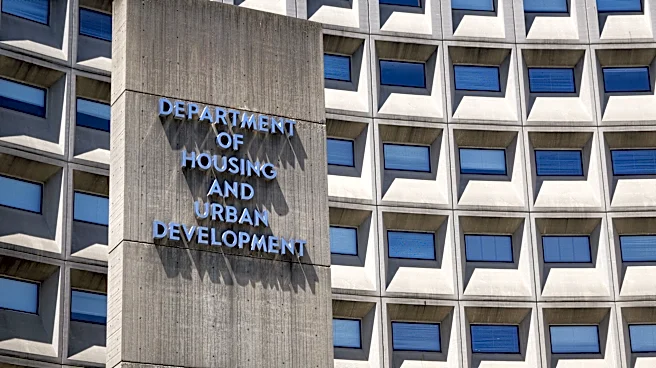
The Department of Housing and Urban Development (HUD) has announced plans to shut down the 'Restore-Rebuild' initiative, a program that assists local governments in building new homes eligible for federal rental assistance. This decision comes amidst
bipartisan efforts in Congress to increase affordable housing for working-class Americans. The initiative's closure is part of the Trump administration's broader strategy to limit government spending on direct federal assistance. Local housing authorities, which were eligible to build approximately 278,000 units through the program, are now uncertain about how to finance new housing for low-income residents. HUD's decision is seen as contradictory to Congress's recent legislation aimed at boosting affordable housing. The administration's focus is shifting towards renovating existing public housing rather than expanding new units, reflecting a priority to manage limited resources effectively.
Why It's Important?
The closure of the 'Restore-Rebuild' initiative could significantly impact the availability of affordable housing in the U.S., particularly for low-income families. Housing advocates argue that this move will shrink federal assistance programs over time, as families leaving subsidized housing will not be replaced. The decision highlights a tension between federal and local priorities, with local authorities facing challenges in securing financing for new housing projects. The shift in focus from building new units to renovating existing ones may address some maintenance backlogs but could limit the expansion of affordable housing options. This development is crucial as it affects the housing market, potentially increasing the cost of living and exacerbating housing shortages for vulnerable populations.
What's Next?
Local housing authorities are now racing against time to finalize their projects before the 'Restore-Rebuild' initiative is fully phased out. Projects that have already begun the approval process have a 90-day window to submit complete proposals or apply for tax credits. However, housing agencies and advocacy groups argue that this timeline is unrealistic due to the complex financing involved. The future of affordable housing will depend on how effectively local authorities can adapt to these changes and whether Congress will intervene to support new housing initiatives. The administration's budget proposal, which includes restrictions on building new units and issuing new vouchers, will also play a critical role in shaping the landscape of federal housing assistance.