







What's Happening?
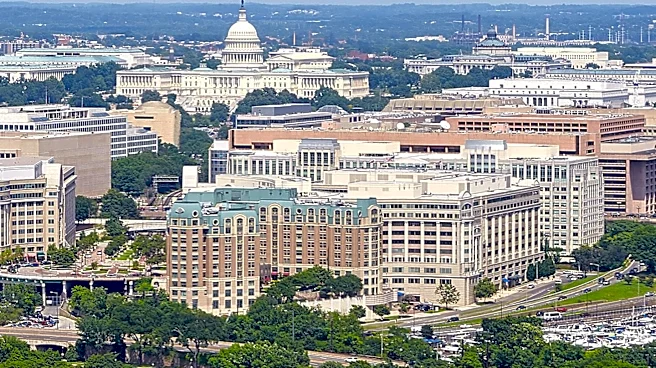
The U.S. Senate has passed a comprehensive Russia sanctions bill with an 86 to 11 vote, aiming to increase pressure on Moscow amid the ongoing war in Ukraine. The legislation, championed by the late Senator Lindsey Graham, seeks to impose mandatory sanctions on Russia's
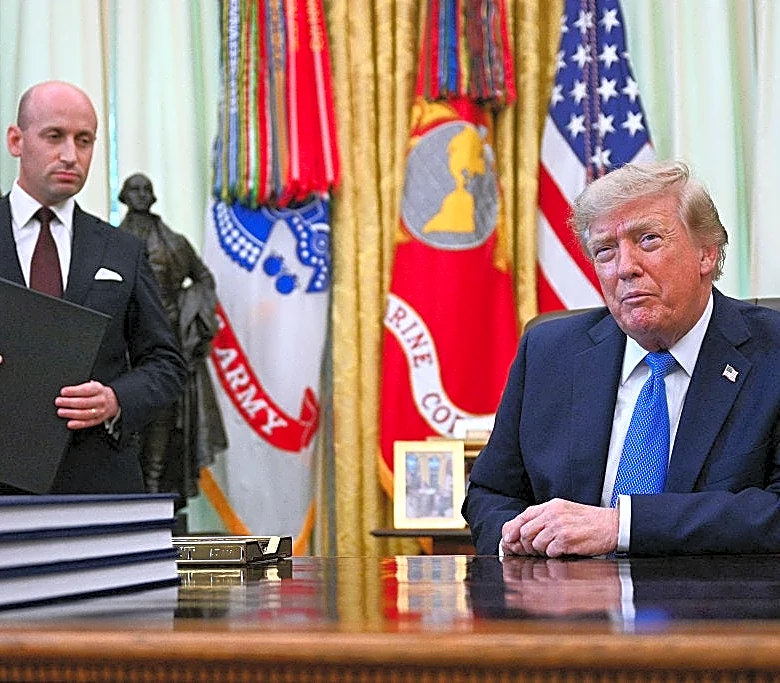
leadership, energy sector, and entities supporting Russia's defense industry. The bill also introduces a new tariff tool to curb financial flows to Russia. With President Trump indicating his willingness to sign the bill, its fate now rests with the House of Representatives, which will consider it in September.
Why It's Important?
The passage of this sanctions bill represents a significant step in U.S. efforts to counter Russian aggression and support Ukraine. By targeting key sectors of the Russian economy, the bill aims to weaken Russia's ability to sustain its military operations in Ukraine. This move aligns with U.S. foreign policy objectives to deter Russian expansionism and uphold international norms. The bill's potential impact on U.S.-Russia relations is substantial, as it could lead to further diplomatic and economic tensions between the two nations.
What's Next?
The House of Representatives will review the bill in September, and its passage could lead to heightened diplomatic tensions with Russia. If enacted, the sanctions may prompt Russia to retaliate with countermeasures, affecting global economic and political dynamics. The U.S. will need to coordinate with its allies to ensure the effectiveness of the sanctions and mitigate any adverse impacts on international trade and security. The outcome of this legislative process will be closely monitored by stakeholders in the U.S. and abroad.