






What's Happening?
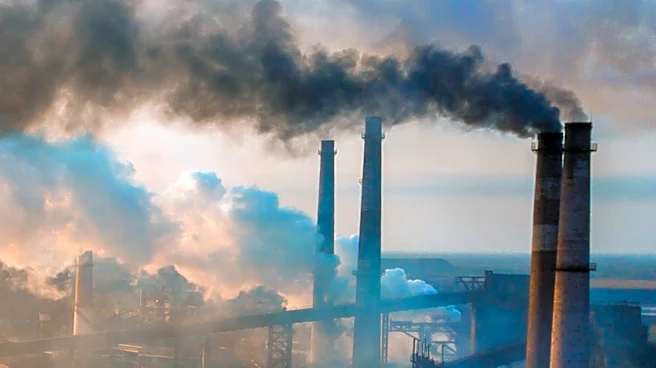
In Louisiana, communities near industrial facilities are facing significant health risks due to inadequate air monitoring systems. A recent analysis highlights that many of the state's public air monitors are located miles away from major polluters and
fail to test for some of the most dangerous chemicals. This issue is particularly acute in the 85-mile corridor between Baton Rouge and New Orleans, where cancer rates from toxic air pollution are among the highest in the nation. The state's monitoring network often does not measure critical pollutants like ethylene oxide, chloroprene, and formaldehyde, which are known carcinogens. Industry groups have historically opposed proposals for better monitoring, and recent legislation has restricted the use of community-collected air quality data for enforcement purposes.
Why It's Important?
The inadequacy of Louisiana's air monitoring system poses a significant public health risk, particularly for communities living near industrial sites. Without accurate and comprehensive monitoring, residents are left unaware of the toxic substances they may be exposed to, which can lead to increased health issues, including cancer. The situation underscores the need for stronger regulatory frameworks and more robust monitoring systems to protect public health. The lack of effective monitoring also raises concerns about environmental justice, as many affected communities are predominantly Black and have limited resources to advocate for themselves.
What's Next?
There is a growing call for expanded air monitoring in Louisiana, especially in communities near industrial facilities. Environmental advocates and researchers are likely to continue pushing for legislative changes that would require more comprehensive monitoring and reporting of toxic emissions. The state may face increased pressure from federal agencies like the EPA to improve its monitoring systems. Additionally, similar legislative efforts are being observed in other states, indicating a broader national conversation about air quality monitoring and environmental justice.
Beyond the Headlines
The issue of inadequate air monitoring in Louisiana highlights broader systemic challenges in environmental regulation and enforcement. The influence of industry groups in shaping legislation and regulatory practices raises ethical concerns about the balance between economic interests and public health. The situation also reflects a national trend of declining air monitoring capabilities due to stagnant federal funding and rising costs, which could have long-term implications for environmental health across the country.