


What's Happening?
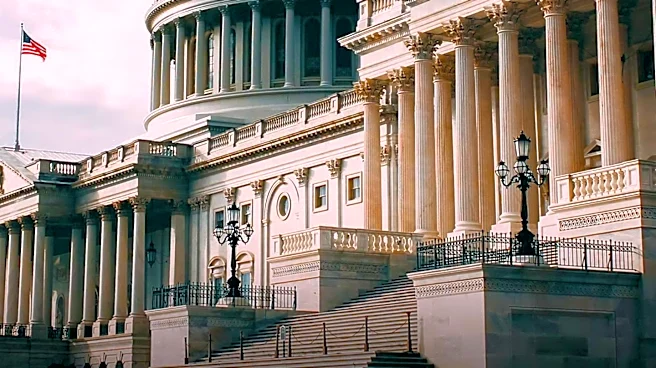
Representative August Pfluger of Texas's 11th District has introduced companion legislation in the House of Representatives aimed at addressing foreign-paid influencers. This bill mirrors efforts by Republican Florida Representative Anna Paulina Luna,
who introduced an amendment to the Foreign Agents Registration Act (FARA) of 1938. Luna's amendment seeks to include 'social media influencers' under the definition of 'publicity agent' within FARA. The objective is to increase transparency regarding online personalities who may be acting on behalf of foreign interests. While Luna's bill has bipartisan backing, Pfluger's companion legislation in the House has reportedly stalled. The broader context involves concerns about foreign governments using online influencers to spread propaganda and influence public discourse in the United States.
Why It's Important?
This legislative effort is important because it highlights growing concerns about foreign influence operations in the digital sphere and their potential impact on U.S. public opinion and policy. The proposed amendments to FARA aim to bring more transparency to the activities of social media influencers who are compensated by foreign entities. This could help Americans identify when information or opinions they encounter online are part of a foreign-backed campaign rather than independent commentary. The issue has gained traction due to reports of influencers being approached or paid by foreign and domestic entities to promote specific agendas. Increased transparency could empower citizens to critically evaluate information and reduce the effectiveness of covert foreign propaganda, thereby safeguarding the integrity of public discourse and potentially influencing future legislative actions related to foreign lobbying and digital media.
What's Next?
The future of Representative Pfluger's companion legislation, along with Representative Luna's amendment, remains uncertain, as both have reportedly stalled. However, the introduction of these bills signals a growing momentum in Washington towards greater transparency regarding foreign influence in the U.S. political system. Stakeholders, including lawmakers, legal experts, and civil society groups, will likely continue to debate the scope and enforcement of FARA in the context of digital media. Further discussions may focus on refining the definition of 'social media influencer' and ensuring that any new regulations are effective without stifling legitimate free speech. The ongoing scrutiny of foreign influence operations suggests that legislative efforts to address this issue are likely to persist, potentially leading to revised proposals or renewed pushes for existing legislation in future congressional sessions.
Beyond the Headlines
Beyond the immediate legislative efforts, this issue touches upon deeper implications concerning the evolving nature of propaganda and information warfare in the digital age. The rise of social media has created new avenues for foreign actors to subtly influence public opinion, making it challenging for the average citizen to discern the origins and motivations behind online content. This legislative push reflects a broader societal concern about the erosion of trust in information sources and the potential for manipulation. Ethically, it raises questions about the responsibility of influencers to disclose their affiliations and the right of the public to transparent information. Legally, it explores the boundaries of free speech versus the need for national security and protection against foreign interference. The long-term shift could involve a redefinition of lobbying and public relations in the digital realm, potentially leading to more stringent disclosure requirements for all forms of media engagement, not just traditional lobbying.