
What's Happening?
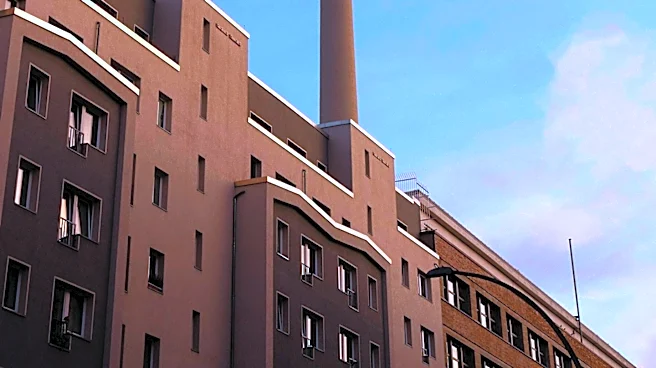
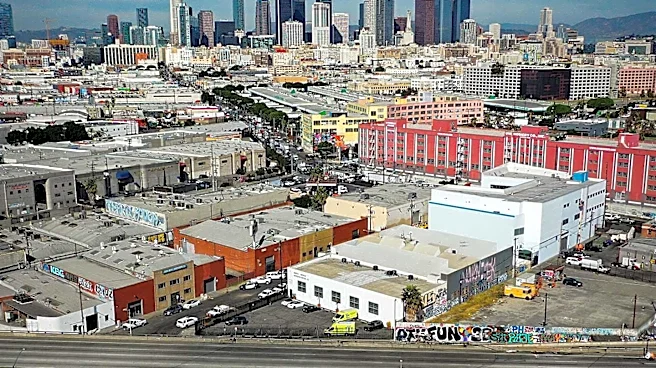
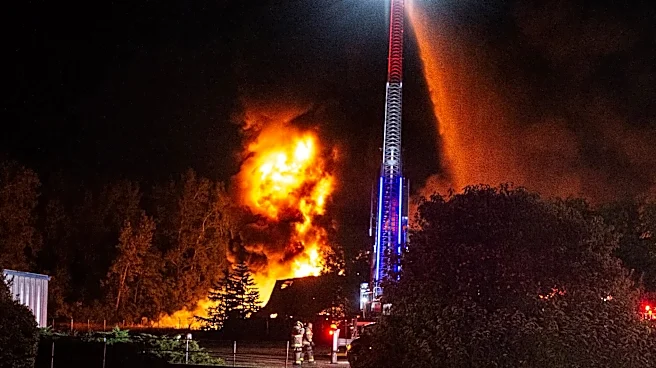
Residents of Boyle Heights are experiencing persistent health concerns following a warehouse fire in June that involved thousands of pounds of anhydrous ammonia. Despite assurances from Lineage, the company operating the cold storage facility, and initial
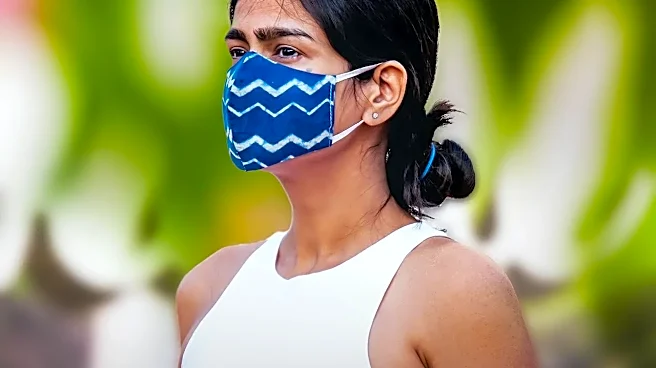
statements from the Los Angeles Fire Department (LAFD) denying significant ammonia release, recent air monitoring data indicates elevated levels of the toxic chemical in the community. LAFD records, obtained through a public records request, show first responders identified an 'active ammonia leak' on the roof shortly after the fire began. The South Coast Air Quality Management District (AQMD) and Lineage's own contractor, Onterris, have reported ammonia levels exceeding state safety guidelines in areas near homes and an elementary school, weeks after the blaze. Residents have reported symptoms such as sore throats, skin rashes, headaches, and worsened asthma.
Why It's Important?
This situation highlights critical issues regarding industrial safety, environmental transparency, and public health in urban areas. The discrepancy between official statements and air quality readings raises questions about the accuracy and timeliness of information provided to the public during environmental emergencies. The potential long-term health impacts on Boyle Heights residents, particularly vulnerable populations like children, are significant, given that ammonia can cause severe respiratory and eye irritation. The involvement of a contractor with a history of producing reports favorable to its clients further complicates trust in the data. This event underscores the need for robust regulatory oversight and clear communication protocols to protect communities living near industrial facilities that handle hazardous materials.
What's Next?
The U.S. Environmental Protection Agency (EPA) has demanded that Lineage provide a detailed account of the incident, including any contaminants released and air monitoring results, by August 17. Depending on the EPA's findings, federal law may require Lineage to hold a public meeting within 90 days of a 'reportable accident.' Residents may face challenges in accessing this information, as EPA documents are typically available through Freedom of Information Act (FOIA) requests, which can be time-consuming. The South Coast AQMD has also imposed 93 conditions on Lineage to mitigate odors and reduce residents' exposure to toxics, including additional fenceline monitoring. An investigation into whether a hazardous ammonia leak occurred is still pending, with experts emphasizing the importance of first responders' initial observations.
Beyond the Headlines
The Boyle Heights incident exposes deeper systemic issues concerning environmental justice and corporate accountability. Communities like Boyle Heights, often disproportionately affected by industrial pollution, rely heavily on transparent and accurate information from both companies and regulatory bodies. The controversy surrounding the ammonia release and the conflicting reports underscore the challenges in holding corporations accountable for environmental impacts. This event could catalyze broader discussions on strengthening environmental regulations, improving emergency response communication, and ensuring independent oversight of industrial facilities. It also brings to light the ethical considerations for environmental consulting firms and their role in public health assessments, particularly when their findings consistently favor corporate interests.