





What's Happening?
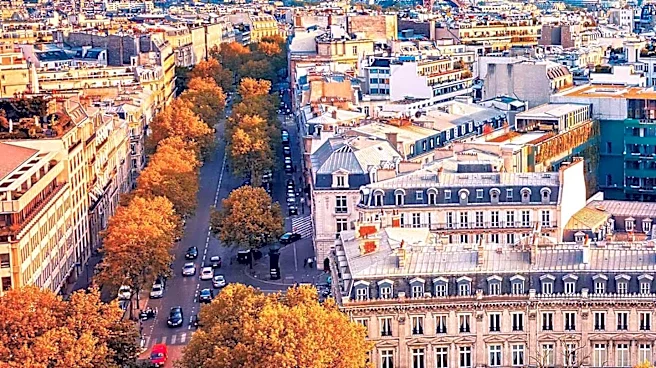
ToursByLocals, a global marketplace for private tours, has observed a substantial drop in bookings for Paris in 2027. Paris, which was previously the fifth most popular destination for the company's tours, has fallen to the 15th position for the upcoming
year. Lisa Chen, President and CEO of ToursByLocals, attributes this decline to potential traveler hesitation influenced by media coverage of protests and political unrest in France. Despite the perceived impact, a survey conducted by ToursByLocals among travelers who visited Paris since October 1 indicates that 54% experienced no effect from the protests, while 38% reported only minor disruptions. Guides in Paris also affirmed that demonstrations are manageable, follow pre-declared routes, and typically avoid major tourist areas. Thomas Howard, a ToursByLocals guide in Paris, emphasized that international coverage often overlooks the organized nature of these demonstrations, making them easy to avoid for tourists.
Why It's Important?
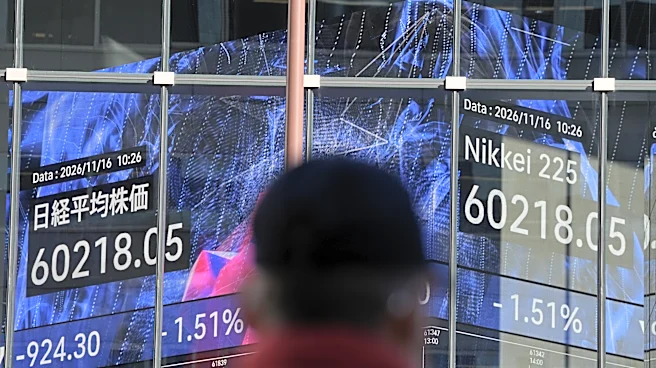
This shift in booking trends for Paris highlights the significant influence of media perception on international tourism. Even if on-the-ground experiences are largely unaffected, widespread news of unrest can deter potential visitors, leading to economic consequences for the tourism sector. For travel advisors, this data provides crucial context to reassure clients who might be hesitant about visiting Paris. The discrepancy between media portrayal and actual tourist experience underscores the challenge destinations face in managing their image during periods of social unrest. The decline in Paris's popularity also suggests a potential redistribution of tourism, with other destinations like Japan (Tokyo and Kyoto), Singapore, and Hong Kong seeing increased interest, as noted by ToursByLocals' data.
What's Next?
France and tourism-related businesses will likely need to intensify efforts to counter negative perceptions and communicate the reality of tourist experiences in Paris. This could involve targeted marketing campaigns, increased transparency about local conditions, and leveraging testimonials from recent visitors. Travel agencies and tour operators may need to proactively address client concerns and provide detailed information about how to navigate the city safely and enjoyably. If the trend continues, Paris's tourism industry might experience a prolonged period of reduced bookings, necessitating strategic adjustments to attract visitors. Conversely, destinations currently seeing a surge in popularity, such as Japan, may need to prepare for increased tourist influx and associated logistical demands.
Beyond the Headlines
The situation in Paris reflects a broader phenomenon where global events, even those geographically contained, can have far-reaching economic impacts due to instantaneous and widespread media dissemination. This raises questions about the responsibility of media in accurately portraying local conditions and the potential for 'perception gaps' to significantly influence consumer behavior. For the tourism industry, it underscores the need for robust crisis communication strategies and the importance of local guides in providing on-the-ground reassurance and practical advice. Furthermore, it highlights the resilience and adaptability of travelers, who, when faced with perceived risks in one destination, often re-route their travel plans to other appealing locations, leading to shifts in global tourism patterns.