








What's Happening?
China's LineShine supercomputer has taken the top spot in the latest global supercomputer rankings, marking the first time since 2017 that a Chinese machine has led the list. Achieving 2.198 exaflops, LineShine surpasses the U.S.'s El Capitan, which previously
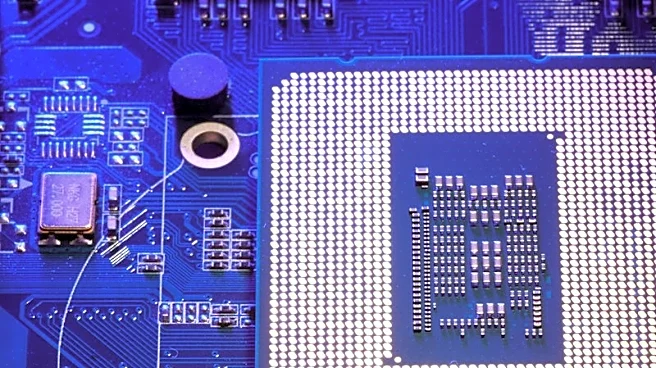
held the title. Unlike other leading supercomputers that utilize GPUs, LineShine is built around a custom 304-core processor, allowing it to bypass U.S. technology embargoes. The system operates with 13.79 million cores and draws 42.2 megawatts of power, achieving an efficiency of 52.07 gigaflops per watt. This development highlights China's ability to innovate independently in high-performance computing.
Why It's Important?
The emergence of LineShine as the world's fastest supercomputer is a significant indicator of China's growing technological capabilities. This achievement could have far-reaching implications for global technology leadership, as supercomputers are vital for advancements in fields such as artificial intelligence, climate science, and national security. The U.S., which has been a leader in supercomputing, now faces increased competition from China. This shift may influence global tech policies and encourage other nations to develop their own high-performance computing technologies to maintain competitiveness.
What's Next?
The success of LineShine may lead to increased investment in supercomputing by other countries, particularly the U.S., to regain leadership in this strategic area. It could also result in tighter export controls on technology components to prevent similar advancements by other nations. Additionally, China's achievement may prompt discussions on international collaboration and competition in technology development. The global tech community will likely monitor how China utilizes this advancement in both civilian and military sectors.