









What's Happening?
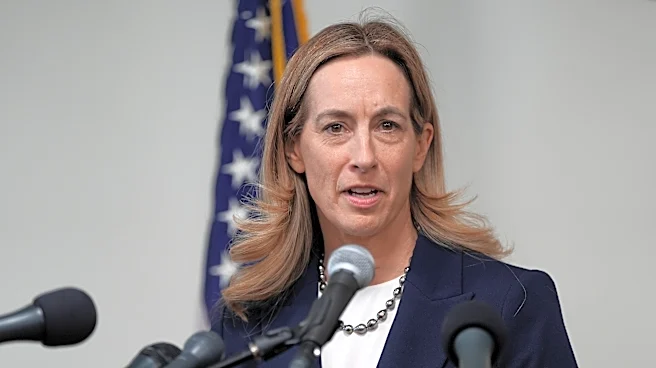
New Jersey has enacted a new policy to charge companies whose employees are covered by Medicaid instead of employer-provided health insurance. The measure, signed by Governor Mikie Sherrill, aims to raise $145 million annually by billing companies with
at least 50 workers on Medicaid. Fees range from $325 to $725 per employee, depending on the number of Medicaid beneficiaries. This initiative is part of a broader effort by Democratic-led states to address the rising costs of Medicaid due to federal policy changes. The policy has sparked debate, with business groups opposing the additional financial burden on employers.
Why It's Important?
The policy reflects a growing trend among states to find new revenue sources to support Medicaid amid federal funding uncertainties. By shifting some costs to employers, states aim to ensure the sustainability of Medicaid programs. However, the move could have unintended consequences, such as discouraging companies from hiring low-income workers or influencing hiring practices. The policy also raises questions about the fairness of employers benefiting from taxpayer-funded health coverage for their workers.
What's Next?
Other states are considering similar measures, and the outcome in New Jersey could influence their decisions. The policy's impact on businesses and Medicaid enrollment will be closely monitored. Legal challenges may arise, and the policy could become a point of contention in upcoming elections. The debate highlights the ongoing challenges of balancing healthcare costs and coverage in the U.S.