










What's Happening?
Experts in Oregon are urging for more coordinated efforts and increased investment to prepare for the anticipated 'Big One' earthquake, a massive event expected to occur along the Cascadia Subduction Zone. At the National Conference on Earthquake Engineering
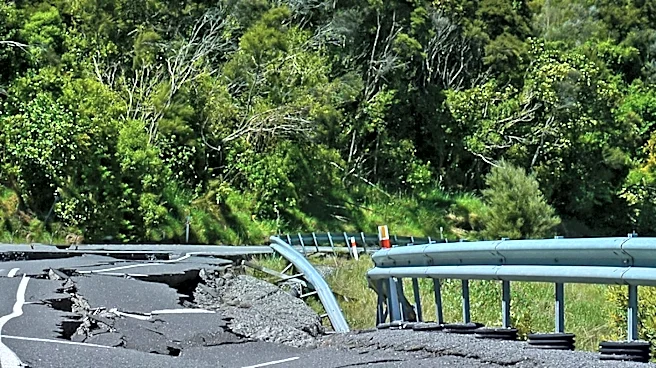
in Portland, discussions highlighted the need for retrofitting critical infrastructure, such as bridges and buildings, to withstand seismic activity. The Oregon Department of Transportation has identified $40 million in bridge deficiencies that need addressing. Additionally, there is a call for policies promoting community microgrids and battery storage to ensure power supply post-quake. The Port of Portland requires significant funding to upgrade its runway to accommodate emergency aircraft post-disaster.
Why It's Important?
The potential impact of the 'Big One' is profound, with the ability to cause widespread destruction across the Pacific Northwest. Preparing for such an event is crucial to minimize loss of life and economic disruption. The call for increased investment and coordination highlights the urgency of addressing infrastructure vulnerabilities. Ensuring that critical transportation and utility corridors remain operational post-quake is vital for effective disaster response and recovery. The economic implications are significant, as proactive measures could save billions in recovery costs and protect communities from prolonged isolation and hardship.
What's Next?
Oregon's state and local governments, along with regional stakeholders, are expected to intensify their planning and investment efforts. Meetings between the Port of Portland and the governor's office are scheduled to discuss potential budget requests. Legislative actions may be proposed to mandate regular reporting on earthquake preparedness by utilities and infrastructure agencies. The focus will be on securing funding and implementing policies that enhance the region's resilience to seismic events.