
What's Happening?
Researchers at Southeast University of Nanjing have developed a self-cleaning fabric coating that could significantly reduce the need for detergents in laundry. This innovation aims to transform the traditional
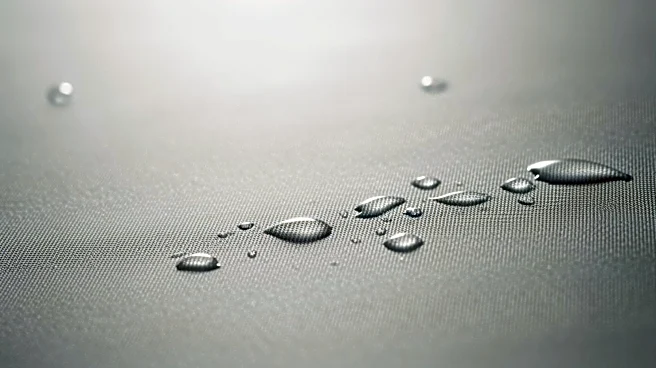
laundry process, which typically involves large amounts of water and chemicals, contributing to environmental pollution. The new coating prevents dirt from adhering to fabrics, thus reducing the need for washing with detergents. The coating is effective on various materials, including cotton, silk, and polyester, and works under different light conditions. This development could lead to a more sustainable approach to textile care.
Why It's Important?
The introduction of self-cleaning fabrics could have a profound impact on environmental sustainability by reducing water and chemical usage in laundry. This innovation addresses the hidden pollution caused by detergents, which often end up in aquatic ecosystems, affecting biodiversity. By minimizing the release of microplastics and reducing the domestic environmental footprint, this technology supports efforts to combat climate change. Additionally, it offers potential economic benefits by lowering household operational costs associated with laundry.
What's Next?
The next steps for this innovation include industrial scaling and further research to address current limitations, such as effectiveness against solid particles. Comprehensive life cycle studies are needed to evaluate the total environmental impact of the coating. While the initial cost may be a barrier, long-term savings could offset this. The technology could expand into other sectors, such as medical textiles, offering broader applications and benefits.