



What's Happening?
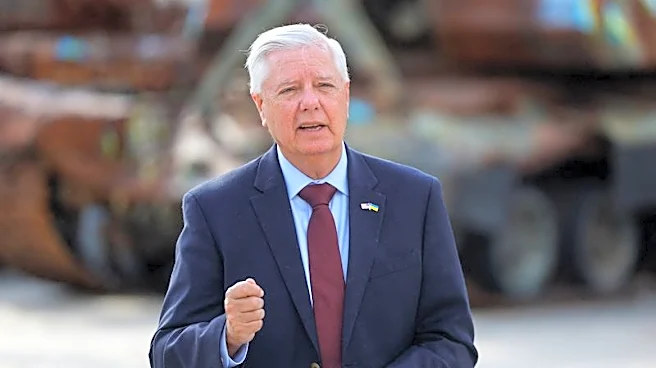
A bipartisan bill, the 'Lindsey O. Graham Sanctioning Russia Act of 2026,' aims to impose tariffs on top purchasers of Russian oil and gas to penalize Moscow's war in Ukraine. The bill has exposed divisions among potential 2028 Democratic presidential
contenders, with some concerned it would expand President Trump's tariff authority. Critics argue the bill is too broad and could harm the economy by allowing tariffs on U.S. allies. The bill gained momentum after the death of its sponsor, Sen. Lindsey Graham, and could be voted on in the Senate soon.
Why It's Important?
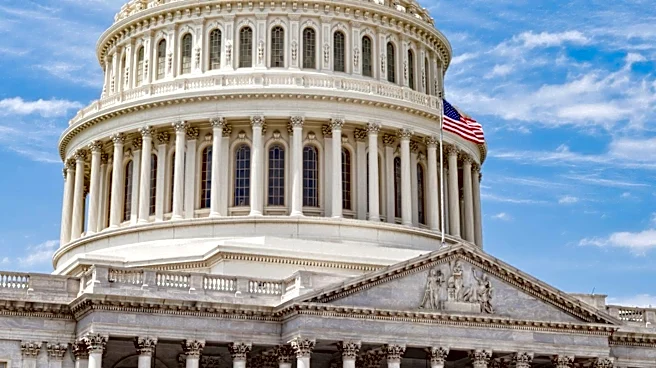
The bill highlights the ongoing debate over the balance of power between the executive and legislative branches in trade policy. Expanding presidential tariff authority could set a precedent for future administrations, raising concerns about unchecked executive power. The bill's impact on U.S. allies and the global economy is also a significant consideration, as it could strain diplomatic relations and affect international trade. The divisions among Democrats reflect broader political challenges in addressing complex foreign policy issues while maintaining economic stability.
What's Next?
The Senate is expected to vote on the bill soon, with potential amendments to address concerns about its scope. Democrats may use their leverage to demand changes to the bill, but there is no guarantee of success. The outcome of the vote could influence future trade policy and U.S. relations with allies. The debate over the bill may also impact the 2028 presidential race, as candidates navigate the complexities of foreign policy and economic issues.