






What's Happening?
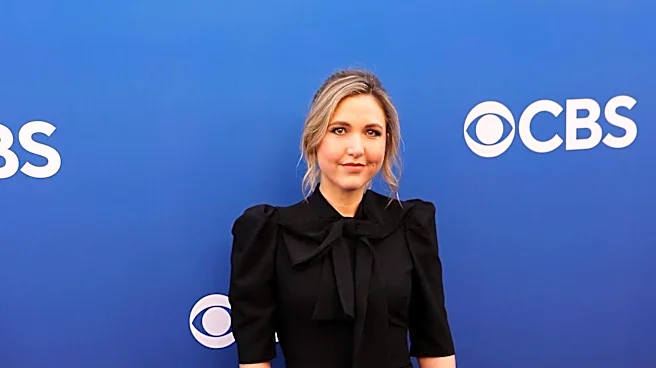
Cecilia Vega, a former correspondent for 60 Minutes, has alleged that CBS News executives pressured her to insert political bias into her segments. During an interview at the National Association of Hispanic Journalists conference, Vega claimed that she
was asked to make specific changes to three segments that she did not find evidence for. These changes included adding video of protesters attacking citizens mistaken for ICE agents and a police chief rolling his eyes during a news conference. Vega also mentioned being asked to include a line about Iran being outgunned by the U.S. and Israel, which she described as an administration talking point. Vega's allegations come after her firing in May, which was part of a broader overhaul at CBS News.
Why It's Important?
The allegations made by Vega highlight concerns about editorial independence and the potential influence of political bias in news reporting. If true, these claims could undermine public trust in CBS News and raise questions about the integrity of its reporting. The situation also reflects broader challenges in the media industry, where accusations of bias can impact credibility and audience perception. For journalists, maintaining editorial independence is crucial to delivering unbiased news, and any perceived interference can have significant implications for the reputation of news organizations.
What's Next?
CBS News has not publicly responded to Vega's latest claims, but the network may face pressure to address these allegations and ensure transparency in its editorial processes. The situation could lead to internal reviews or policy changes to safeguard against potential bias. Additionally, other media organizations might scrutinize their own practices to prevent similar issues. The outcome of this situation could influence how news outlets handle editorial decisions and maintain public trust.