







What's Happening?
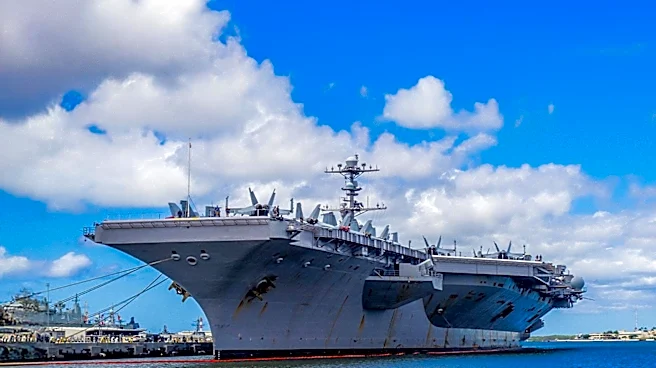
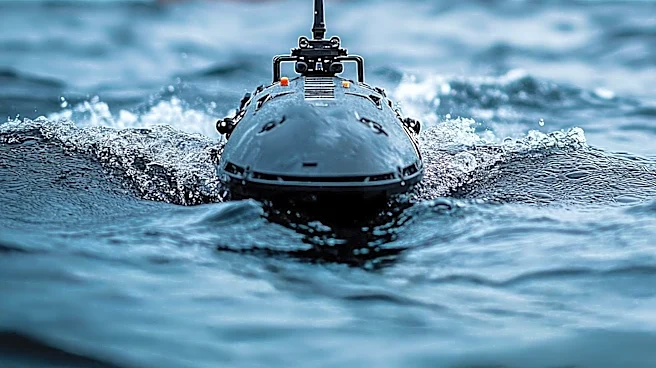
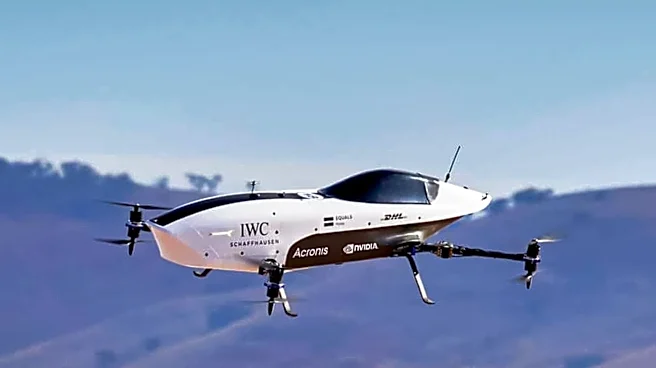
The U.S. Navy is conducting extensive tests of more than 35 autonomous systems during the Rim of the Pacific (RIMPAC) 2026 exercises. These tests are designed to integrate unmanned systems and emerging technologies into multinational naval operations
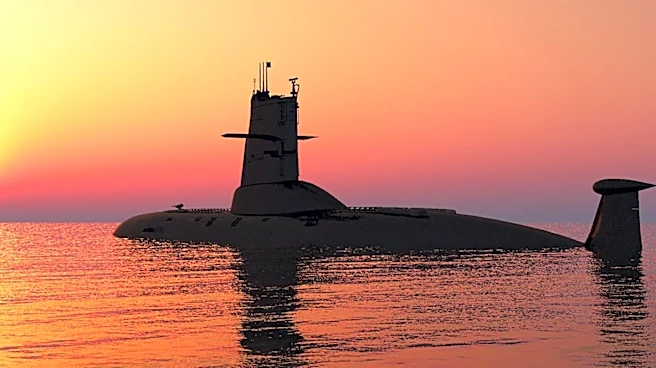
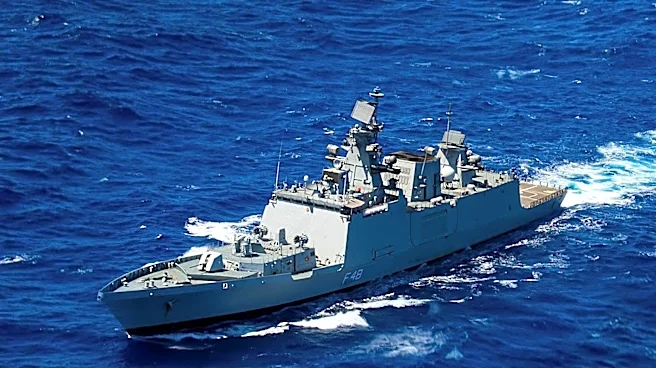
around Hawaii. The trials aim to evaluate how these autonomous capabilities can enhance future U.S. and allied maritime operations across the Indo-Pacific region. The exercises involve realistic fleet operations with allied warships, aircraft, and submarines, focusing on persistent intelligence, surveillance, reconnaissance, aerial threat detection, and undersea warfare. The goal is to assess the interoperability of these technologies with conventional naval forces and coalition command networks.
Why It's Important?
The integration of autonomous systems into naval operations represents a significant shift in military strategy, emphasizing the importance of technological advancement in maintaining maritime security. These systems could potentially enhance the U.S. Navy's operational capabilities by providing persistent surveillance, reducing reliance on traditional logistics chains, and increasing the resilience of multinational networks. The successful implementation of these technologies could lead to more efficient and effective maritime operations, particularly in the vast and strategically critical Indo-Pacific region. This development is crucial for maintaining a competitive edge in an era where technological superiority is increasingly vital for national security.
What's Next?
As the RIMPAC 2026 exercises continue, the U.S. Navy will likely analyze the results of these tests to determine the feasibility of deploying these autonomous systems in real-world operations. The outcomes could influence future procurement and development strategies, potentially leading to broader adoption of unmanned technologies in naval operations. Additionally, the integration of these systems with allied forces may strengthen international military cooperation and enhance collective security efforts in the Indo-Pacific region.