





What's Happening?
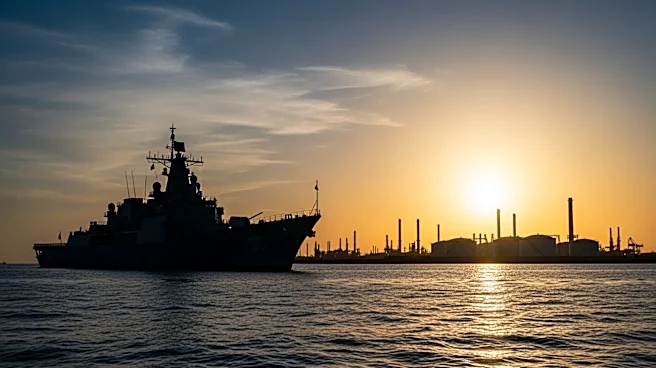
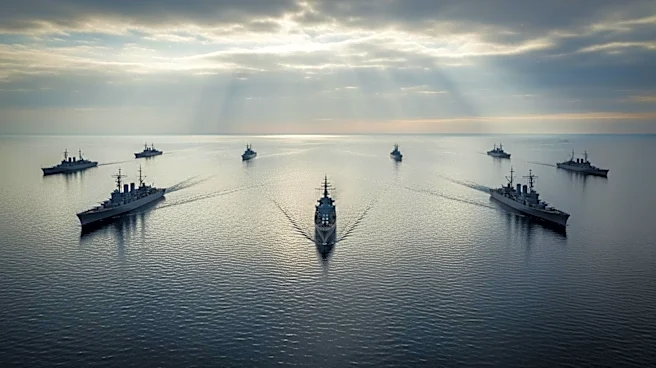
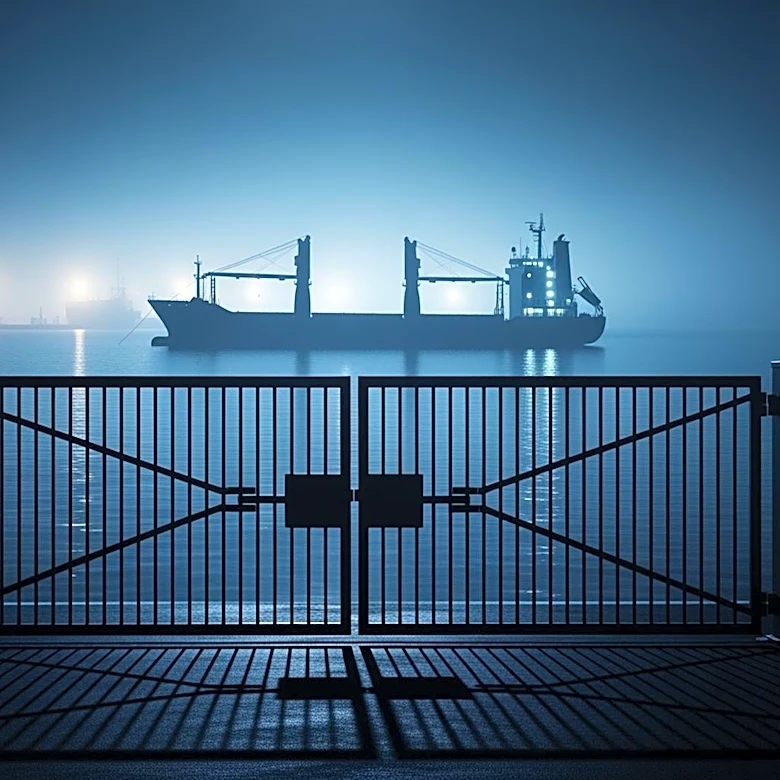
The United States has commenced a military blockade of Iranian ports as part of a strategic move to pressure Iran into relinquishing control over the Strait of Hormuz. This action comes amid ongoing diplomatic efforts to initiate peace talks between the two
nations. The Strait of Hormuz is a critical chokepoint for global oil shipments, and the blockade aims to curb Iran's influence over this vital maritime route. The U.S. government is leveraging this blockade to push for negotiations, hoping to address broader geopolitical tensions in the region.
Why It's Important?
The blockade of Iranian ports by the U.S. has significant implications for global oil markets and international relations. The Strait of Hormuz is a crucial passage for a substantial portion of the world's oil supply, and any disruption could lead to increased oil prices and economic instability. The U.S. action underscores the strategic importance of the region and highlights the ongoing geopolitical tensions between the U.S. and Iran. This development could also impact U.S. relations with other countries that rely on oil shipments through the strait, potentially leading to broader diplomatic challenges.
What's Next?
The U.S. and Iran are likely to engage in diplomatic negotiations to resolve the standoff, with potential involvement from international mediators. The outcome of these talks could influence future U.S. foreign policy in the Middle East and impact global energy markets. Stakeholders, including oil companies and allied nations, will be closely monitoring the situation for any signs of escalation or resolution. The blockade's duration and effectiveness in achieving diplomatic goals will be critical factors in determining the next steps for both the U.S. and Iran.