




What's Happening?
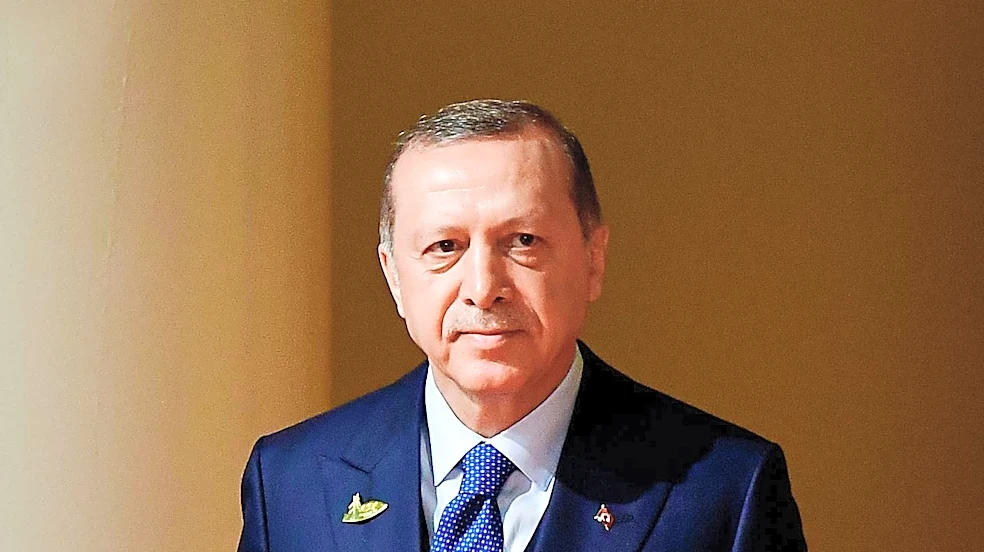
U.S. Senator Rick Scott, a Republican from Florida, has publicly condemned Turkish President Recep Tayyip Erdogan over a maritime agreement between Turkey and Libya. Senator Scott described the deal as an “illegal and thuggish move” that poses a direct
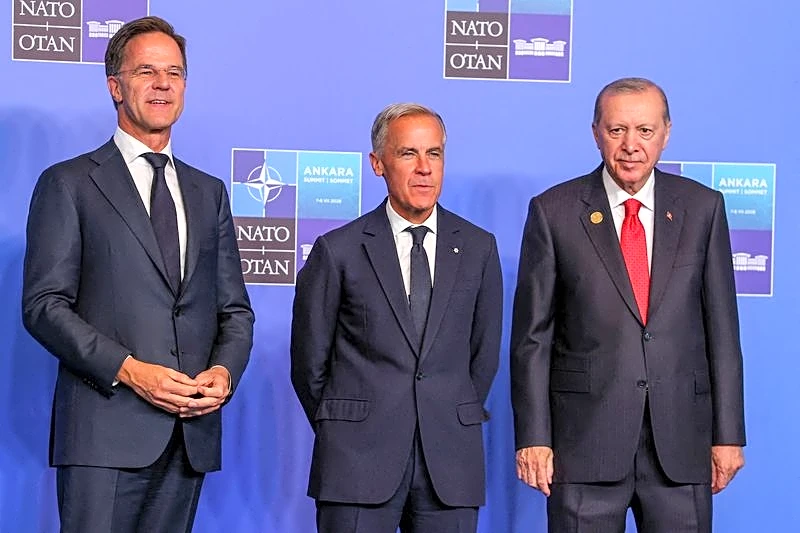
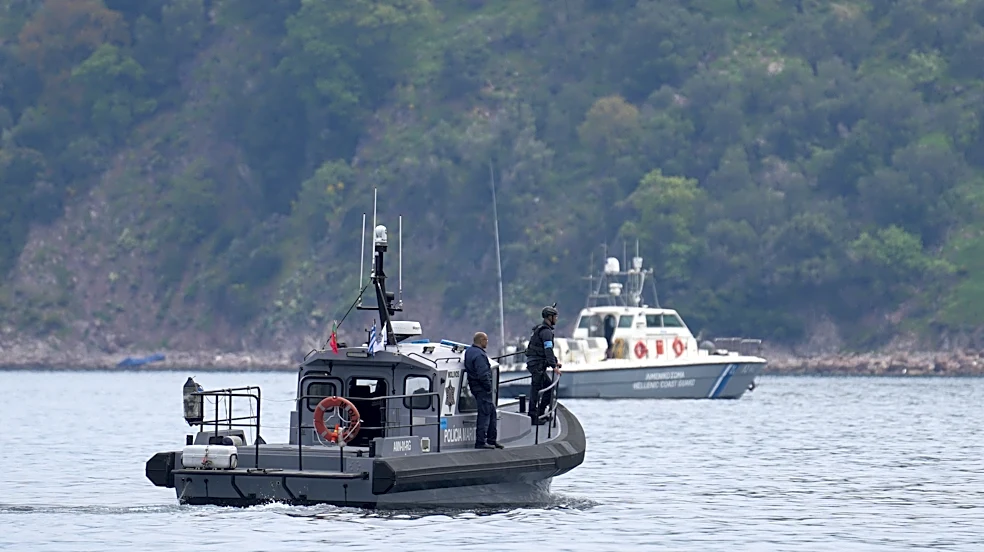
threat to American interests and those of Greece. His remarks followed the approval of the disputed 2019 Turkey-Libya maritime memorandum by the House of Representatives in eastern Libya on October 20. Greece maintains that this agreement violates international maritime law and disregards the rights of Greek islands, making it a contentious issue in the Eastern Mediterranean. Senator Scott, who serves on the Senate Foreign Relations and Armed Services committees, also questioned Turkey’s continued membership in NATO, suggesting that Ankara should not benefit from its alliance status if it does not act as a reliable ally. During a recent visit to Greece and Cyprus, Senator Scott met with officials and expressed support for enhanced cooperation between these nations and the United States on security and energy matters in the region.
Why It's Important?
Senator Scott's condemnation highlights growing U.S. concern over Turkey's actions in the Eastern Mediterranean, particularly regarding its maritime agreement with Libya. This stance underscores the potential for diplomatic friction between the U.S. and Turkey, a NATO ally, and signals strong U.S. support for Greece and Cyprus. The dispute over maritime boundaries has significant implications for energy exploration and geopolitical stability in a strategically vital region. For the U.S., maintaining stability and supporting allies like Greece is crucial for its broader foreign policy objectives and security interests in the Mediterranean. The questioning of Turkey's NATO role by a U.S. Senator could also lead to increased scrutiny of Turkey's alliance commitments and potentially impact future defense cooperation and military aid. This situation could also influence U.S. economic interests, particularly in energy, as stability in the Eastern Mediterranean is vital for secure energy transit routes and potential resource development.
What's Next?
The U.S. government, through its diplomatic channels, may continue to express concerns regarding the Turkey-Libya maritime agreement, potentially seeking to mediate a resolution or reinforce international maritime law principles. Senator Scott's public statements could prompt further discussions within the U.S. Congress regarding Turkey's actions and its relationship with NATO. Greece and Cyprus are likely to continue their diplomatic efforts to challenge the legitimacy of the agreement in international forums, potentially seeking support from other European Union members and the United States. The ongoing tensions could also lead to increased military presence or exercises in the Eastern Mediterranean by various regional and international actors, further complicating the security landscape. Future U.S. foreign policy decisions concerning aid, trade, and military cooperation with Turkey may be influenced by Ankara's adherence to international norms and its treatment of U.S. allies in the region.
Beyond the Headlines
The controversy surrounding the Turkey-Libya maritime deal and Senator Scott's remarks reveal deeper geopolitical currents at play in the Eastern Mediterranean. Beyond the immediate maritime dispute, the situation touches upon the evolving role of NATO, the balance of power in the region, and the complex interplay of energy interests, national sovereignty, and international law. Turkey's assertive foreign policy, particularly under President Erdogan, has frequently challenged traditional alliances and international norms, leading to questions about its long-term strategic alignment. The U.S. response, as articulated by Senator Scott, reflects a broader effort to uphold the international rules-based order and protect the interests of its democratic allies. This ongoing tension could reshape regional alliances, influence future energy infrastructure projects, and potentially lead to a re-evaluation of security architectures in the Eastern Mediterranean, with long-term implications for global stability and U.S. strategic interests.