




What's Happening?
Plant-based foods are being recognized as effective sources of iron, challenging the common perception that red meat is the primary way to obtain this essential mineral. According to Dietitian Emily Lachtrupp, M.S., RD, integrating foods like dark chocolate,
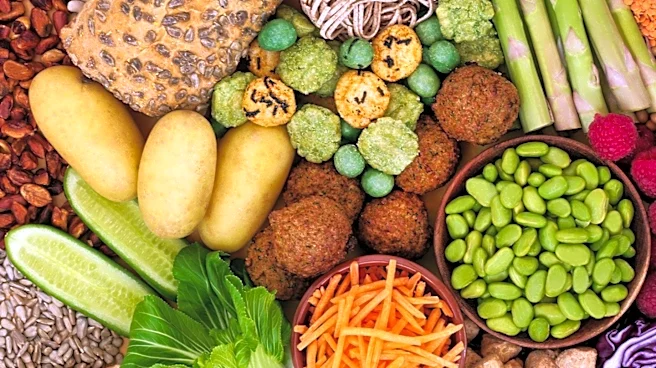
tofu, pumpkin seeds, lentils, and chickpea pasta into daily eating patterns can significantly increase iron levels. For instance, a 1-ounce serving of 70% to 85% dark chocolate provides approximately 19% of the daily iron needs. Tofu offers around 6.5 mg of iron per half-cup serving, while pumpkin seeds contribute about 2.5 mg per 1-ounce serving. Lentils provide roughly 3 grams of iron per half-cup, and chickpea pasta can supply about 30% of the daily value of iron per serving. These plant-based options are highlighted for their ability to support cognitive and immune health, and boost energy levels, making them valuable for individuals with or without anemia.
Why It's Important?
The emphasis on plant-based iron sources is important for public health and dietary flexibility in the U.S. It provides viable alternatives for individuals who choose to reduce or eliminate meat consumption, whether for ethical, environmental, or health reasons. This shift can help address nutritional deficiencies, such as iron deficiency anemia, which affects a significant portion of the population. By promoting diverse iron sources, it encourages a more balanced and inclusive approach to nutrition. Furthermore, the versatility of these foods, such as tofu's ability to absorb flavors or chickpea pasta's pairing with vitamin C-rich sauces for enhanced absorption, makes them practical additions to various diets, potentially improving overall dietary quality and accessibility to essential nutrients for a broader demographic.
What's Next?
The growing awareness of plant-based iron sources is likely to lead to increased adoption of these foods in American diets. Food manufacturers may respond by developing more plant-based iron-fortified products or promoting the natural iron content of existing plant-based options. Nutrition education campaigns could further highlight the benefits and accessibility of these foods, encouraging consumers to diversify their iron intake beyond traditional meat sources. Dietitians and healthcare providers may increasingly recommend these plant-based options as part of comprehensive dietary plans for iron management. This trend could also spur further research into the bioavailability of iron from various plant sources and optimal dietary combinations for absorption.
Beyond the Headlines
The recognition of plant-based foods as rich iron sources has broader implications for sustainable food systems and public health. It supports the movement towards more plant-centric diets, which are often associated with lower environmental footprints compared to meat-heavy diets. Culturally, it challenges long-held dietary norms that equate iron intake primarily with red meat, potentially fostering a more open-minded approach to food and nutrition. Ethically, it provides more options for individuals adhering to vegetarian or vegan lifestyles, ensuring they can meet their nutritional needs without compromise. This development also underscores the importance of nutritional literacy, empowering individuals to make informed dietary choices that benefit both their personal health and broader societal well-being.