




What's Happening?
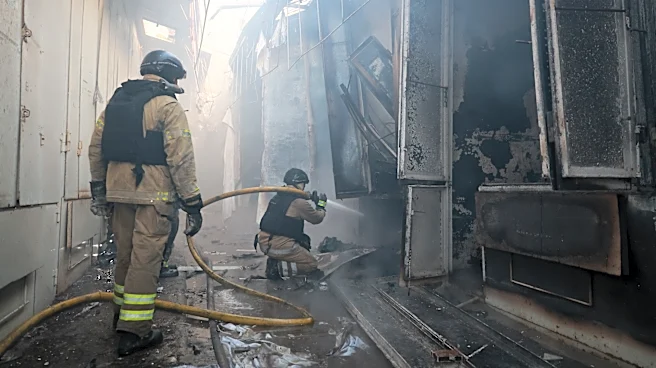
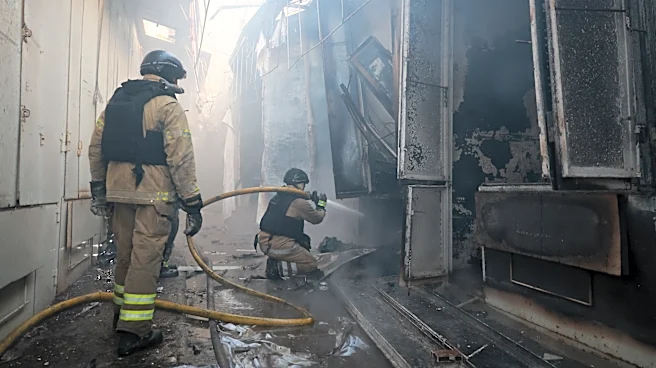
NATO military aircraft were scrambled in Poland and Romania overnight into Wednesday morning in response to Russia's latest drone and missile attacks on Ukraine. These attacks caused multiple fires in Kyiv and resulted in a dense fog over the capital,
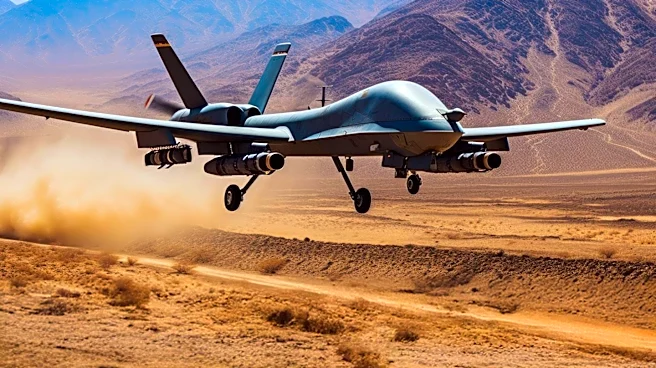
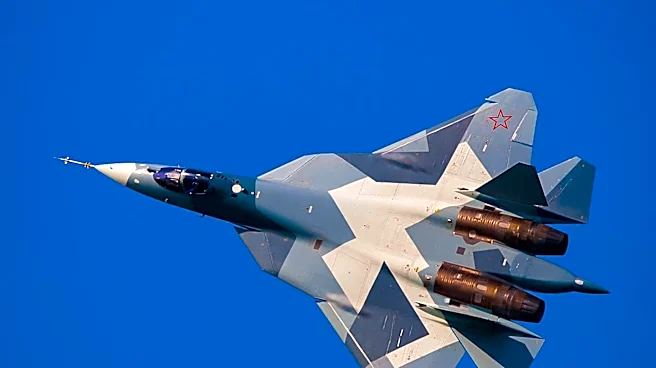
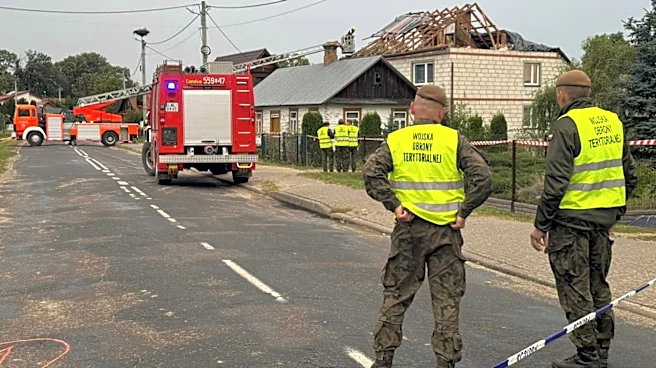
according to authorities. Ukraine's air force reported that Russia launched 188 drones, 86 of which were jet-powered, and an unspecified number of ballistic and cruise missiles. Five missiles and 155 drones were reportedly destroyed or neutralized, with impacts across 18 locations, primarily Kyiv. At least three people were killed and six injured in Kyiv, with strikes causing multiple fires. Ukrainian President Volodymyr Zelenskyy stated that the attacks were 'intense' and targeted energy infrastructure in Kyiv and the surrounding region. Beyond Ukraine's borders, a drone also exploded and damaged a communications antenna in Moldova's Anenii Noi district. Poland's Armed Forces Operational Command confirmed military aviation activity in response to Russian strikes using 'jet-powered unmanned aerial vehicles,' while Romania's Defense Ministry detected an aerial target near its river border with Ukraine, prompting the scrambling of two Spanish F-18 jets to monitor the situation, though no incursions into Romanian airspace were detected.
Why It's Important?
The scrambling of NATO aircraft in Poland and Romania underscores the escalating regional tensions and the direct impact of the conflict in Ukraine on neighboring countries, particularly those within NATO. This event highlights the continuous threat posed by Russian military actions to the security and stability of Eastern Europe. For the U.S. and its NATO allies, such incidents necessitate heightened vigilance and readiness, potentially leading to increased military deployments and defense spending in the region. The involvement of NATO air forces, even in a monitoring capacity, demonstrates the alliance's commitment to collective defense and its efforts to deter any potential spillover of the conflict. The repeated targeting of Ukraine's energy infrastructure, especially as winter approaches, also signals a humanitarian crisis in the making, which could further destabilize the region and require significant international aid. The incident in Moldova, a non-NATO member, further illustrates the broad geographical reach of the conflict's consequences, raising concerns about regional security beyond NATO's immediate borders.
What's Next?
Following these incidents, Poland and Romania are likely to continue their heightened air defense postures and surveillance activities along their borders with Ukraine. NATO will probably maintain increased air patrols and readiness in the region to monitor Russian military movements and respond to any further incursions or threats. Ukraine will continue to appeal for more advanced air defense systems from its international partners, particularly as Russia's strategy of targeting energy infrastructure intensifies with the onset of winter. The international community, including the U.S., will likely face renewed calls to provide additional military and humanitarian aid to Ukraine. Discussions within NATO will likely focus on strengthening collective defense measures and potentially adjusting deployment strategies to address the evolving threat landscape. The incident in Moldova may also prompt increased security cooperation between Moldova and its Western partners, given its vulnerability as a non-NATO country bordering Ukraine.
Beyond the Headlines
This event highlights the complex and often unpredictable nature of modern warfare, where the use of drones and missiles can have immediate and far-reaching consequences beyond the intended targets. The 'dense fog' over Kyiv, described as a consequence of shelling, symbolizes the environmental and public health impacts of sustained conflict, which often go unaddressed in immediate news cycles. The repeated scrambling of NATO aircraft, while a necessary defensive measure, also carries the inherent risk of miscalculation or accidental escalation, underscoring the delicate balance of deterrence in a volatile region. Furthermore, the targeting of energy infrastructure during winter months raises profound ethical questions about the conduct of warfare and its impact on civilian populations, potentially constituting war crimes. The incident also serves as a stark reminder of the interconnectedness of European security, where a conflict in one nation can rapidly trigger defensive actions and heightened alert levels across an entire continent, demanding continuous diplomatic and military engagement from global powers like the U.S.