


What's Happening?
Germany has significantly increased its arms export licences to Israel, with approvals reaching nearly 800 million euros in the first five months of 2026. This marks a dramatic rise compared to the previous 20 months combined. The majority of these licences are linked
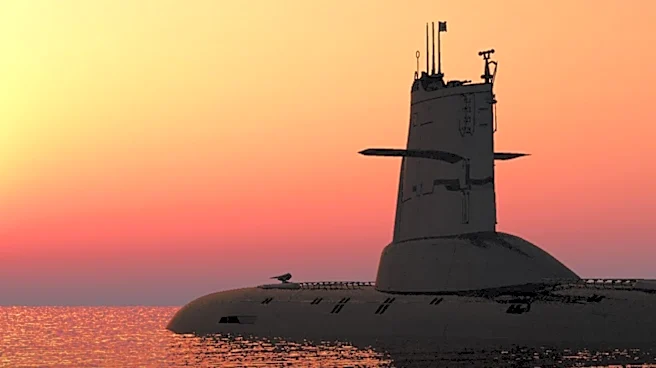
to a major maritime project, likely involving a submarine built by German manufacturer TKMS. The INS Drakon, a nuclear-capable Dolphin II-class submarine, is a key component of this project, enhancing Israel's naval capabilities.
Why It's Important?
The surge in arms exports to Israel underscores Germany's strategic and economic interests in maintaining strong defense ties with Israel. It reflects Germany's broader defense policy, which prioritizes economic benefits and strengthening the defense industry. However, this move has sparked controversy due to concerns about the potential use of these arms in conflict zones, particularly in Gaza. The decision also highlights the complex dynamics of international arms trade and its implications for regional security.
What's Next?
Germany's arms export policy towards Israel is likely to remain under scrutiny, especially in light of ongoing conflicts in the Middle East. The German government may face pressure to balance economic interests with ethical considerations in its arms trade policies. Future collaborations between German and Israeli defense contractors could further enhance military ties, but may also attract criticism from human rights organizations.
Beyond the Headlines
The arms export surge raises ethical questions about the role of arms trade in international relations and its impact on global peace efforts. It also highlights the challenges of regulating arms exports in a way that aligns with international humanitarian law. The situation may influence Germany's foreign policy and its position on international arms control agreements.