





What's Happening?
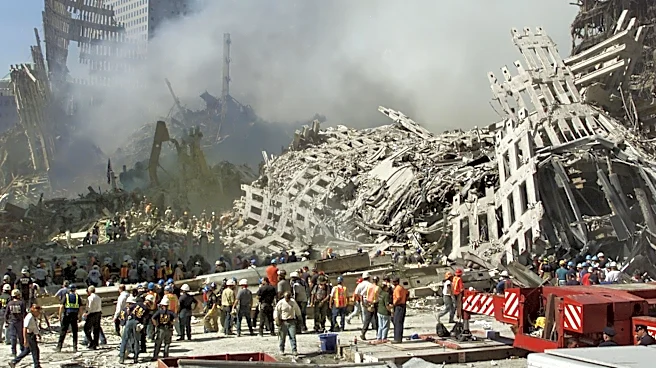
On the 25th anniversary of the September 11 attacks, President Trump's Truth Social account reposted a video from the January 6, 2021, Capitol riot. The minute-long clip shows President Trump urging rioters to disperse, stating, 'We have to have peace.
So go home, we love you, you're very special,' while also reiterating his unsubstantiated claim that the 2020 presidential election was stolen. The repost was made without additional comment or explanation from President Trump. A White House spokesperson later explained the repost as 'a reminder to everyone that what the Democrats did to weaponize the justice system against President Trump has been debunked thoroughly,' according to CNN. The spokesperson did not specify which legal proceedings the statement referred to, though the federal prosecution related to the Capitol breach was dropped after President Trump won the 2024 election. The original January 6 footage had drawn widespread condemnation for its timing and perceived indulgent tone towards participants.
Why It's Important?
This action is significant as it reintroduces a controversial moment in recent U.S. political history on a day typically reserved for national remembrance and unity. The White House's justification for the repost, framing it as evidence of debunked Democratic efforts to 'weaponize the justice system,' underscores ongoing political polarization and distrust in governmental institutions. By linking the January 6 events to claims of political persecution, the administration reinforces a narrative that could further divide public opinion and impact future political discourse. The timing of the repost, coinciding with a solemn national anniversary, also raises questions about the administration's communication strategy and its approach to historical events. The resolution of the federal prosecution tied to the Capitol breach after President Trump's 2024 election victory adds another layer of complexity to the political landscape, potentially influencing public perception of justice and accountability.
What's Next?
The repost and the White House's explanation are likely to generate further debate and criticism from political opponents and media outlets, particularly regarding the appropriateness of the timing and the validity of the claims made. This event could also influence public perception of President Trump's past actions and his administration's stance on the January 6 events. It may also serve to energize his political base, who may view the repost as a vindication of his claims. The ongoing political climate suggests that such actions will continue to be scrutinized and could play a role in future political campaigns and discussions about the integrity of U.S. democratic processes. The lack of clarification on which legal proceedings were 'debunked' may lead to further speculation and demands for transparency.
Beyond the Headlines
The repost of the January 6 video on September 11 delves into deeper implications concerning the weaponization of historical narratives and national symbols for political purposes. By juxtaposing a moment of national tragedy with a contentious political event, the administration risks blurring the lines between historical remembrance and partisan messaging. This could have long-term effects on how significant national events are perceived and commemorated, potentially eroding shared national understanding and fostering a more fragmented historical consciousness. The White House's assertion of 'debunked' weaponization of the justice system also touches upon the broader issue of public trust in legal institutions and the media, contributing to an environment where facts are increasingly contested. This strategy could further entrench ideological divides, making it more challenging to address national challenges through consensus and shared values.