



What's Happening?
The upcoming primaries in Wisconsin and Minnesota are set to showcase significant political divides within both the Democratic and Republican parties. In Wisconsin, a democratic socialist candidate for governor is gaining traction, raising concerns among
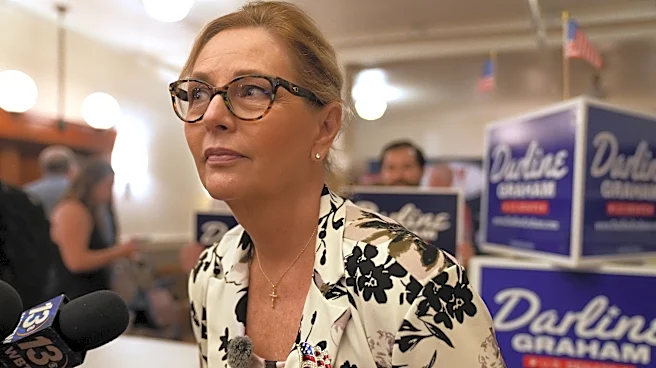
some Democrats about her electability. Meanwhile, in Minnesota, immigration enforcement has become a contentious issue in the Democratic primary. On the Republican side, President Trump's endorsements are being tested, particularly in South Carolina, where he has backed the sister of the late Sen. Lindsey Graham. These primaries will be crucial in determining the candidates for the general elections and could signal broader trends in voter preferences.
Why It's Important?
The outcomes of these primaries could have significant implications for the political landscape in the U.S. As Democrats grapple with internal divisions between progressives and moderates, the results could influence the party's strategy and platform moving forward. For Republicans, the effectiveness of President Trump's endorsements will be closely watched, as it could impact the party's cohesion and electoral success. These primaries also serve as a barometer for voter sentiment on key issues such as immigration and economic policy, which will be pivotal in the general elections.
What's Next?
As the primaries conclude, attention will shift to the general elections, where the selected candidates will face off in November. The results will likely prompt both parties to reassess their strategies and messaging to appeal to a broader electorate. The effectiveness of Trump's endorsements and the success of progressive candidates will be key factors in shaping the political narrative leading up to the elections. Additionally, the primaries may influence future policy discussions and legislative priorities based on the issues that resonate most with voters.