


What's Happening?
The Ghana agriculture market is anticipated to grow significantly, with projections indicating a market size increase from USD 3.32 billion in 2024 to USD 4.06 billion by 2032. This growth is expected to occur at a compound annual growth rate (CAGR) of
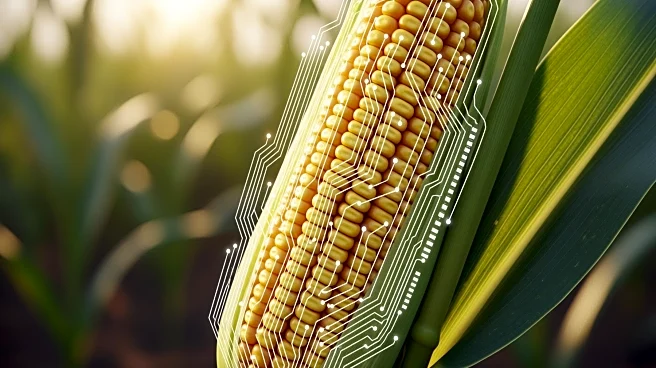
2.5% from 2026 to 2032. The market's expansion is largely driven by the integration of AI and machine learning technologies, which are enhancing precision farming practices. These technologies enable Ghanaian farmers to optimize crop yields through data-driven decisions regarding soil health, irrigation, and fertilizer application. Additionally, machine learning is improving weather forecasting, helping farmers mitigate climate risks. Major players in the market include the Ghana Cocoa Board, Olam Ghana, and Nestlé Ghana, among others.
Why It's Important?
The projected growth of the Ghana agriculture market is significant for several reasons. Firstly, it highlights the increasing role of technology in agriculture, which can lead to more efficient and sustainable farming practices. This technological integration is crucial for addressing challenges such as climate change and food security. Moreover, the growth of this market can enhance Ghana's position as a key player in the global agricultural sector, potentially attracting foreign investment and fostering economic development. The involvement of major companies and the government's support for digital farming technologies further underscore the market's potential to drive economic growth and improve livelihoods in rural areas.
What's Next?
As the Ghana agriculture market continues to grow, stakeholders are likely to focus on overcoming existing challenges such as limited rural connectivity and high initial costs of advanced technologies. Efforts to improve digital literacy among farmers and expand digital infrastructure will be crucial for maximizing the benefits of technological advancements. Additionally, public-private partnerships may play a significant role in accelerating agritech projects and improving rural digital infrastructure. The market's growth could also lead to increased opportunities for agritech startups and innovations in value-added processing and climate-smart agriculture solutions.
Beyond the Headlines
The transformation of the Ghana agriculture market through technology not only promises economic benefits but also raises important ethical and cultural considerations. The shift towards data-centric farming practices may alter traditional farming methods and impact rural communities' cultural heritage. Ensuring that technological advancements are inclusive and accessible to smallholder farmers will be essential to prevent widening the digital divide. Furthermore, the emphasis on sustainable practices aligns with global environmental goals, potentially positioning Ghana as a leader in eco-friendly agriculture.