





What's Happening?
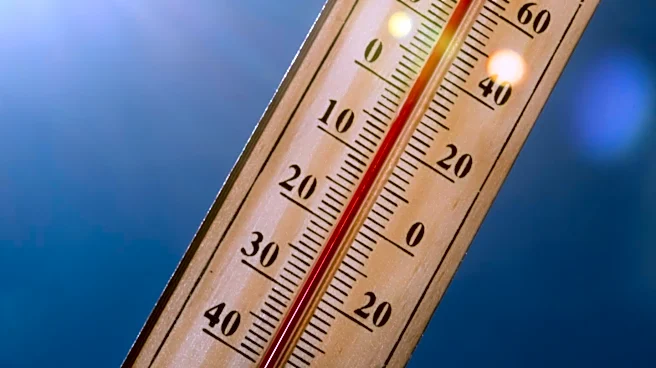
France experienced a historic heatwave in June, resulting in at least 5,700 more deaths than usual, according to Public Health France. The heatwave, which occurred from June 17 to July 2, saw temperatures soar above 40°C (104°F) in many areas, with the
hottest days recorded on June 24 and 25. The excess mortality rate was the highest since the 2003 heatwave, which caused approximately 15,000 deaths. The Paris region was particularly affected, with a significant increase in deaths, overwhelming hospitals and funeral services.
Why It's Important?
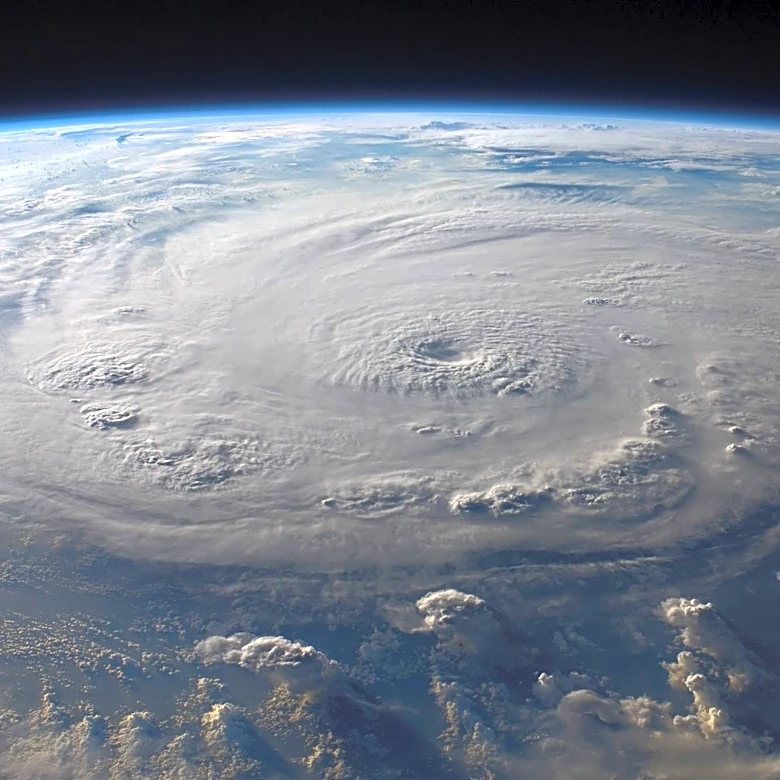
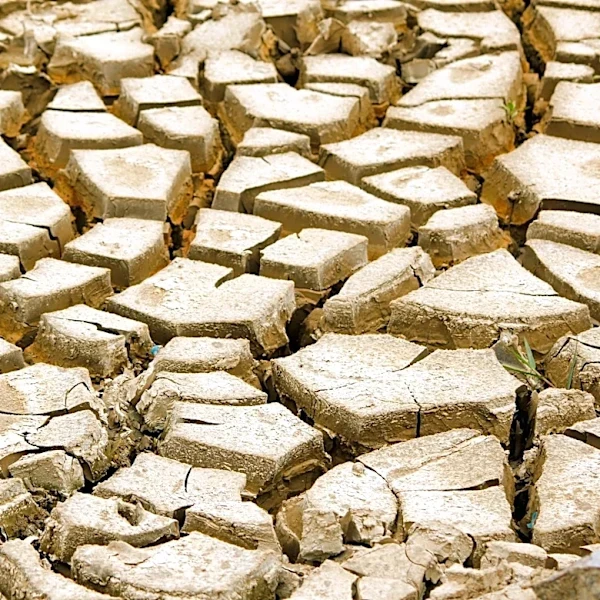
The heatwave highlights the growing impact of climate change on public health, as extreme weather events become more frequent and severe. The significant number of excess deaths underscores the vulnerability of populations, particularly the elderly and those with pre-existing health conditions, to extreme heat. This event may prompt governments to implement more robust heatwave preparedness and response strategies, including public health advisories and infrastructure improvements to mitigate the effects of future heatwaves.
What's Next?
Public Health France will continue to analyze data to provide a more comprehensive understanding of the heatwave's impact. The findings may influence policy decisions regarding climate change adaptation and public health strategies. European countries may collaborate on cross-border initiatives to address the challenges posed by extreme weather events. Additionally, there may be increased advocacy for global climate action to prevent similar occurrences in the future.