





What's Happening?
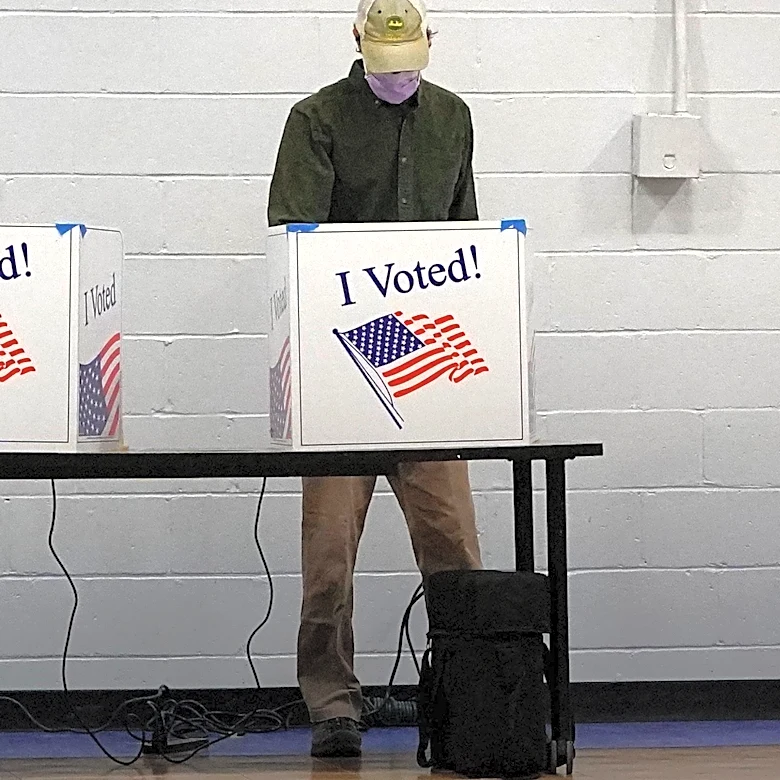
North Carolina has released its comprehensive voter guide for the 2026 elections, detailing important deadlines, voting procedures, and the races on the ballot. Voters in the state will be deciding on a U.S. Senate race, all 14 seats in the U.S. House
of Representatives, and numerous state-level positions including State Supreme Court justices, appeals court judges, and state legislators. Additionally, there are several referenda and local elections across various counties. Key deadlines include the start of absentee voting on September 4, the voter registration deadline on October 9, and the beginning of in-person early voting on October 15. The guide also outlines acceptable photo ID requirements and provides information on how to register and where to vote, emphasizing the importance of voter participation in shaping the state's future.
Why It's Important?
This voter guide is critical for ensuring an informed and accessible election process in North Carolina. By consolidating all essential information, it empowers citizens to exercise their democratic rights effectively. The elections will determine the composition of federal and state legislative bodies, directly influencing policy-making on issues ranging from economic development to social welfare. The U.S. Senate and House races will impact national legislative priorities, while state and local elections will shape policies directly affecting North Carolinians' daily lives, including education, infrastructure, and local governance. The referenda on constitutional amendments, such as voter ID requirements and property tax limits, could have lasting effects on the state's legal and financial frameworks, making voter awareness and participation paramount.
What's Next?
As Election Day approaches on November 3, North Carolina voters are encouraged to review the guide to prepare for casting their ballots. The deadlines for voter registration, absentee ballot requests, and early voting are critical and must be adhered to for participation. Campaigns for the various federal, state, and local offices will intensify, with candidates making their final appeals to voters. The outcomes of these elections will determine the political landscape of North Carolina for the coming years, influencing legislative agendas and the direction of public policy. Citizens should utilize the provided resources, such as the State Board of Elections website, to verify their registration status, polling locations, and specific ballot details relevant to their district.
Beyond the Headlines
The detailed voter guide and the upcoming elections highlight the foundational aspects of democratic engagement and civic responsibility. Beyond the immediate results, the process underscores the importance of an educated electorate in maintaining a healthy democracy. The inclusion of constitutional amendments on the ballot reflects ongoing debates about governance and individual rights, prompting deeper consideration of the state's future direction. The guide also serves as a testament to the administrative efforts required to facilitate large-scale elections, ensuring fairness and transparency. The engagement of citizens in these processes, from registration to voting, is vital for the legitimacy and effectiveness of representative government, shaping not just political outcomes but also the collective identity and values of the community.