



What's Happening?
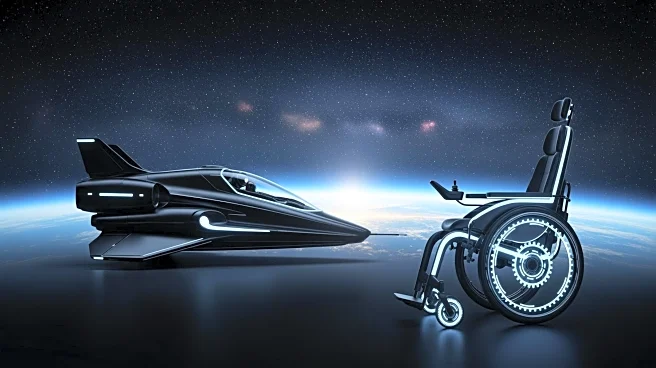
Blue Origin has announced that it is targeting December 18 for its NS-37 mission, which will include the first-ever spaceflight of a wheelchair user. Michaela Benthaus, an aerospace engineer at the European Space Agency, will be among the six passengers
on this suborbital flight. Benthaus, who has used a wheelchair since a spinal cord injury in 2018, will join other passengers in experiencing a few minutes of weightlessness and viewing Earth from space. The mission marks a significant milestone in making space travel more inclusive and accessible.
Why It's Important?
This mission is a landmark event in the realm of space exploration, highlighting the growing inclusivity in space travel. By enabling a wheelchair user to participate in a spaceflight, Blue Origin is setting a precedent for accessibility in the industry. This development could inspire further advancements in making space travel available to a broader range of individuals, regardless of physical limitations. The mission also underscores the potential for private space companies to lead in diversifying the profiles of space travelers, which could have long-term implications for the future of human spaceflight.
What's Next?
Following the NS-37 mission, Blue Origin is likely to continue its efforts to make space travel more inclusive. The success of this mission could encourage other space companies to adopt similar measures, potentially leading to more accessible space travel options in the future. Additionally, the mission may prompt discussions and initiatives aimed at further reducing barriers to space travel for individuals with disabilities.