






What's Happening?
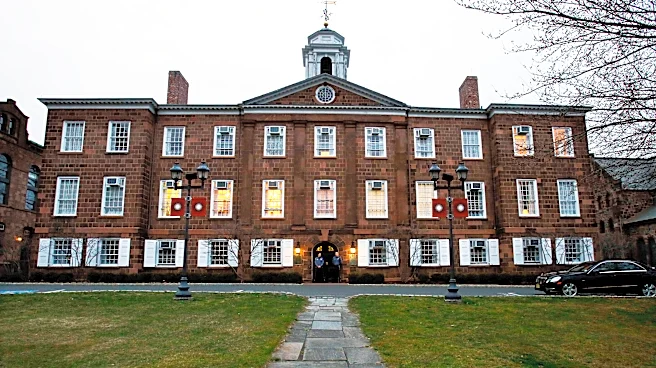
Marian University in Fond du Lac is now accepting applications for its Working Families Grant Program for the fall 2026 cohort. This initiative is designed to support single parents with dependent children who are pursuing their first bachelor's degree
and demonstrate financial need. The program provides comprehensive support, including assistance with tuition, childcare, and living expenses, as well as access to academic advising, mentoring, and career development resources. Participants are required to enroll full-time, maintain academic progress, and contribute through service. Since its inception in 2002, the program has helped hundreds of students complete their degrees, boasting graduation rates that exceed the national average. The program director, Kerry Strupp, emphasized the university's commitment to expanding educational access and empowering students to transform their lives and those of their families.
Why It's Important?
The Working Families Grant Program is significant as it addresses the financial and educational barriers faced by single parents seeking higher education. By providing financial aid and a robust support network, the program not only facilitates degree completion but also enhances the economic prospects of participants and their families. This initiative aligns with broader educational and social goals of increasing access to higher education for underserved populations, thereby contributing to workforce development and economic mobility. The program's success in achieving higher-than-average graduation rates underscores its effectiveness and potential as a model for similar initiatives nationwide.
What's Next?
Applications for the fall 2026 cohort are currently open, and interested students are encouraged to apply early due to limited space. As the program continues to expand, it may attract more single parents seeking to improve their educational qualifications and economic standing. The success of this program could inspire other institutions to adopt similar models, potentially leading to increased educational opportunities for single parents across the country. Stakeholders, including educational policymakers and community organizations, may monitor the program's outcomes to assess its impact and scalability.