





What's Happening?
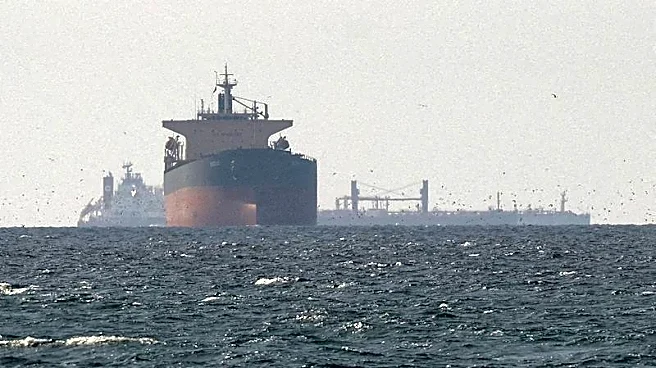
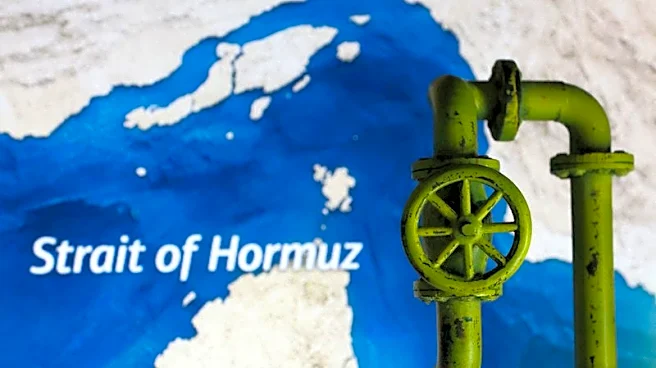
Oil flows through the Strait of Hormuz are anticipated to recover slowly following a ceasefire between the U.S. and Iran. Analysts from Macquarie have identified logistical constraints, geopolitical risks, and a backlog of stranded crude as significant
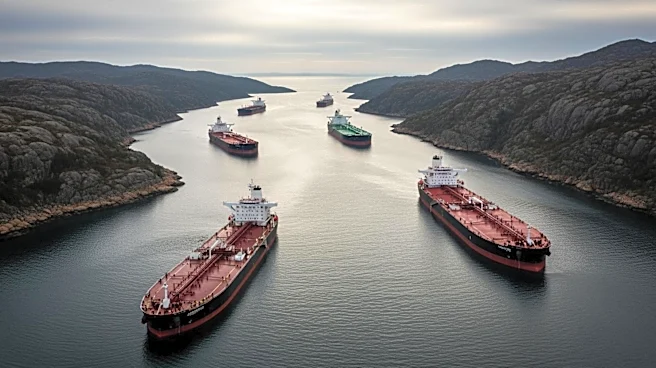
factors limiting the pace of recovery. Despite the ceasefire easing immediate concerns over prolonged supply disruptions, the full resumption of oil flows remains uncertain. Approximately 136 million barrels of crude and refined products are currently stranded in the Gulf, creating a backlog that will take time to clear. The recovery process is expected to be phased, with initial increases in shipments potentially occurring within two to four weeks, followed by further ramp-up over an additional two to four weeks, assuming ceasefire conditions persist. Onshore storage may help offset delays in upstream restarts, although some oilfields may face challenges in returning to full production rates.
Why It's Important?
The gradual recovery of oil flows through the Strait of Hormuz is crucial for global energy markets, as the strait is a vital chokepoint for oil transportation. The slow pace of recovery could impact global oil prices and supply chains, affecting industries reliant on oil and refined products. The potential for Iran to exert greater control over shipping flows introduces new complexities, which could lead to preferential access for certain countries and additional costs or restrictions for others. This situation underscores the geopolitical significance of the region and the potential for shifts in global oil trade dynamics. Market participants have previously adapted to disruptions from countries like Russia, Iran, and Venezuela, indicating resilience but also highlighting the ongoing risks associated with geopolitical tensions.
What's Next?
The situation remains fluid, with ongoing regional tensions and unresolved political issues continuing to cloud the outlook for a full recovery in global energy flows. Analysts suggest that a 'new normal' for Hormuz transit cannot be ruled out, potentially involving tiered access systems. The pace of recovery will depend on tanker movements and operator risk appetite, which may prove to be primary constraints in the near term. As refining operations across the region work to recover from outages, the stabilization of operations and normalization of reduced refining runs, primarily in Asia, are expected within one to two weeks after crude flows resume.
Beyond the Headlines
The potential for Iran to exert greater control over shipping flows through the Strait of Hormuz could have long-term implications for international relations and trade policies. The introduction of a tiered system with preferential access could alter existing trade agreements and necessitate new diplomatic negotiations. Additionally, the situation highlights the vulnerability of global energy markets to geopolitical events, emphasizing the need for diversified energy sources and strategic reserves to mitigate risks associated with supply disruptions.