
What's Happening?
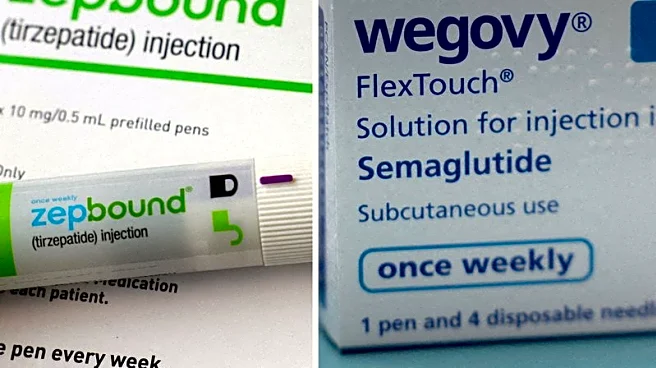
Recent findings suggest that GLP-1 medications, originally developed for diabetes and weight loss, are showing significant mental health benefits. Women taking these medications have reported improvements
in conditions such as addiction, anxiety, and ADHD. The medications, which include semaglutide and tirzepatide, have been noted to reduce 'food noise'—a term describing obsessive thoughts about food—and have also been linked to decreased cravings for alcohol and drugs. Patients have reported a reduction in depression symptoms and a newfound ability to focus on other aspects of life. These findings are prompting further research into the potential of GLP-1s to treat a range of mental health issues.
Why It's Important?
The discovery of GLP-1 medications' mental health benefits could revolutionize treatment for conditions that are traditionally difficult to manage with existing drugs. This development is particularly significant for individuals struggling with food-related issues, addiction, and mood disorders. The potential to alleviate symptoms of depression and anxiety without the side effects associated with many psychiatric medications could improve quality of life for many. Additionally, the broader implications for treating addiction and compulsive behaviors could lead to new therapeutic approaches, offering hope to those who have not found relief through conventional treatments.
What's Next?
Ongoing research is expected to further explore the mental health applications of GLP-1 medications. Clinical trials are underway to assess their efficacy in treating substance use disorders and depression. As more data becomes available, there may be an expansion of approved uses for these medications, potentially leading to insurance coverage for mental health applications. This could make these treatments more accessible to a wider population, potentially transforming mental health care practices.