



What's Happening?
A 26-year-old surfer was rescued after being swept off his board by strong waves at Haskell’s Beach in Goleta, Santa Barbara County. The incident occurred during a night surfing session when the surfer, accompanied by a friend, was pulled into the water,
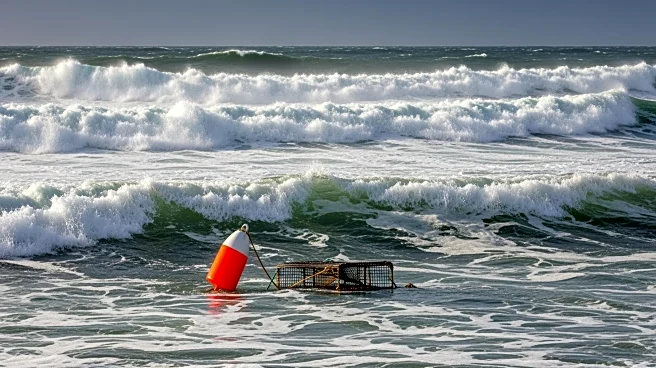
and his surfboard washed ashore. His friend promptly called 911, leading to a rescue operation by the Santa Barbara County Fire Department. Utilizing aerial drones, the rescue team located the surfer approximately a quarter-mile offshore, clinging to a lobster trap buoy. This buoy prevented him from drifting further out to sea. The water rescue team successfully brought him back to shore, and he did not require medical attention. The Fire Department emphasized the importance of not entering the ocean alone, especially in rough conditions, as having a companion can be life-saving.
Why It's Important?
This incident highlights the dangers associated with surfing in challenging conditions and underscores the importance of safety measures such as not surfing alone. The use of technology, like aerial drones, in rescue operations demonstrates advancements in emergency response capabilities, potentially reducing the risk of fatalities in similar situations. The presence of derelict lobster traps, which can pose hazards to both beachgoers and wildlife, also raises environmental and safety concerns. This event serves as a reminder of the need for ongoing efforts to remove such hazards from coastal areas. Additionally, it reflects broader public safety issues related to water activities, as California has experienced a significant number of surf-related fatalities.
What's Next?
The incident may prompt local authorities and environmental groups to intensify efforts to clear derelict lobster traps from the coastline, enhancing safety for surfers and beachgoers. It could also lead to increased public awareness campaigns about the risks of night surfing and the importance of adhering to safety guidelines. The Santa Barbara County Fire Department might review and potentially enhance their rescue protocols, incorporating more advanced technology to improve response times and outcomes in future emergencies. Community engagement in safety and environmental initiatives could be encouraged to prevent similar incidents.
Beyond the Headlines
The event sheds light on the broader issue of ocean safety and the environmental impact of abandoned fishing equipment. It raises questions about the responsibility of local governments and communities in maintaining safe and clean coastal environments. The reliance on technology in rescue operations also points to a shift in how emergency services are adapting to modern challenges, potentially setting a precedent for other regions. This incident could influence policy discussions on environmental conservation and public safety regulations, emphasizing the need for comprehensive strategies to address both human and ecological concerns.