



What's Happening?
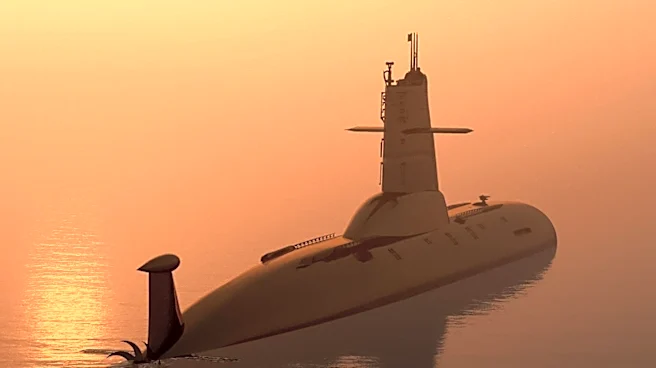
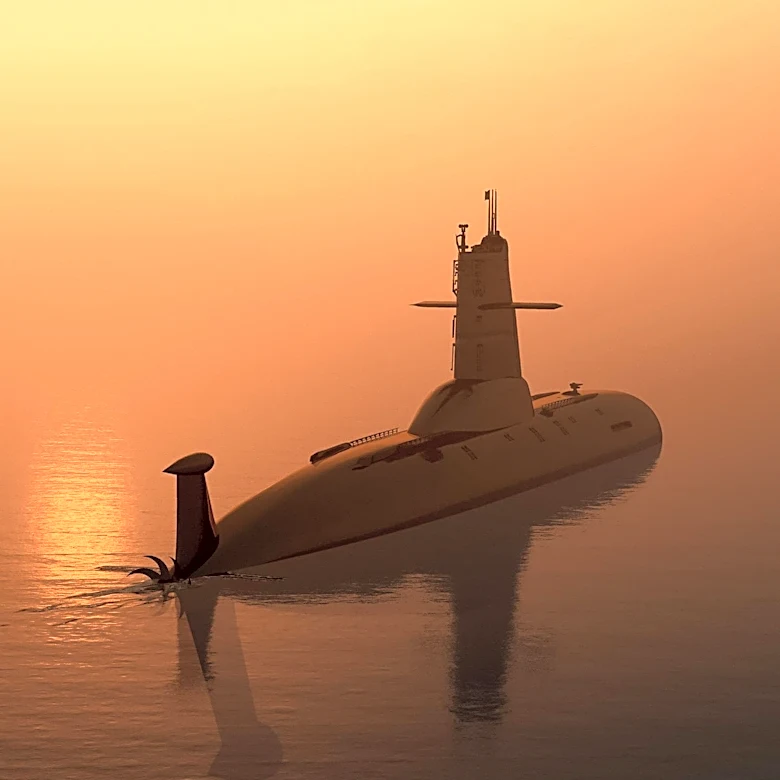
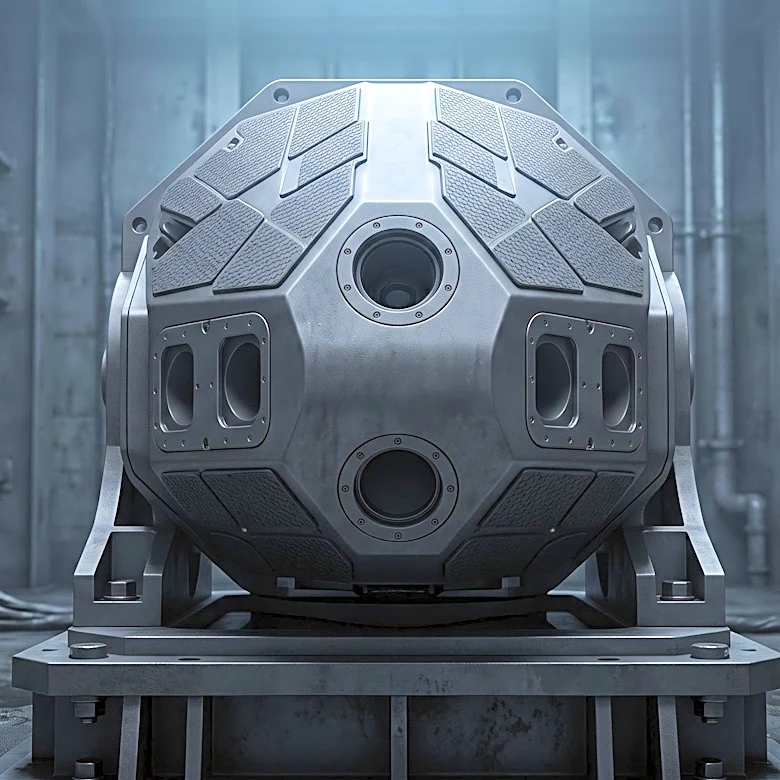
South Korea has approved a development program to field its own nuclear-powered submarines, with the initiative scheduled to commence next year. This decision comes as both South Korea and Japan are intensifying efforts to enhance their naval capabilities,
particularly in the realm of undersea warfare. While Seoul has moved forward with its program, Tokyo remains in the policy review stage, with its ruling coalition debating the military benefits versus the costs and legal complexities of nuclear propulsion. This development is part of a broader trend of increased naval modernization in the Indo-Pacific region, driven by evolving geopolitical dynamics and the rapid expansion of other nations' submarine fleets. The move by South Korea signifies a strategic shift towards greater self-reliance in defense and a desire to bolster its deterrence capabilities in a volatile security environment.
Why It's Important?
South Korea's decision to pursue nuclear-powered submarines marks a significant development in regional security and proliferation dynamics. Nuclear-powered submarines offer extended endurance, higher speeds, and greater stealth compared to conventional submarines, providing a substantial boost to a nation's naval power projection and deterrence capabilities. For the U.S., this development has dual implications: it could strengthen a key ally's defense posture, potentially contributing to regional stability against common adversaries, but it also raises concerns about nuclear proliferation and the potential for an arms race in the region. The U.S. has historically been cautious about the spread of nuclear propulsion technology. However, given the AUKUS partnership's precedent of sharing nuclear submarine technology with Australia, there might be a shift in policy. The move could also influence Japan's decision-making, potentially leading to further regional naval build-ups and increasing the complexity of security arrangements in the Indo-Pacific.
What's Next?
South Korea's nuclear-powered submarine development program is slated to begin next year, indicating a long-term commitment to this strategic capability. The initial phases will likely involve significant research and development, infrastructure investment, and workforce training. The international community, particularly the U.S. and other nuclear powers, will closely monitor the program's progress and its adherence to non-proliferation treaties. Japan's ongoing policy review regarding nuclear propulsion will also be influenced by South Korea's actions, potentially leading to a similar decision in Tokyo. This could trigger further discussions and negotiations on technology transfer, international safeguards, and regional security frameworks. The development will also necessitate careful diplomatic engagement to manage potential tensions and ensure regional stability, especially with neighboring countries that may view such advancements with concern.
Beyond the Headlines
The pursuit of nuclear-powered submarines by South Korea reflects a deeper strategic imperative driven by perceived threats and a desire for greater autonomy in defense. Beyond the military hardware, this decision touches upon national sovereignty, technological ambition, and the complex interplay of alliances and rivalries in the Indo-Pacific. The legal and political complexities surrounding nuclear propulsion, particularly concerning the Non-Proliferation Treaty (NPT) and the transfer of sensitive technology, will be a significant aspect of this development. The precedent set by the AUKUS agreement might open doors for other allies to seek similar capabilities, potentially reshaping the global nuclear landscape. This move could also stimulate domestic industries, fostering technological innovation and creating high-skilled jobs. However, it also carries the risk of escalating regional tensions and demanding increased diplomatic efforts to prevent an unchecked arms race, highlighting the delicate balance between national security and international stability.