



What's Happening?
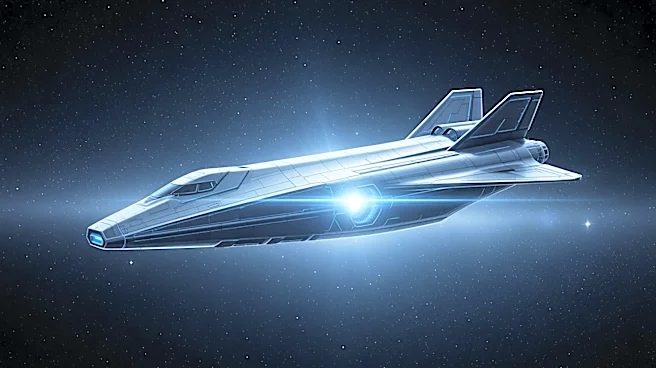
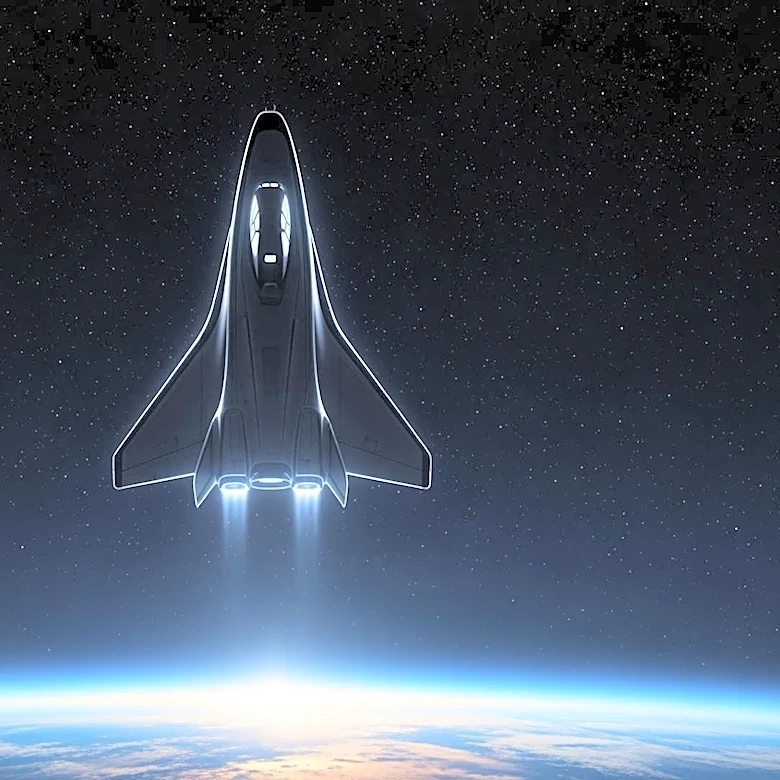
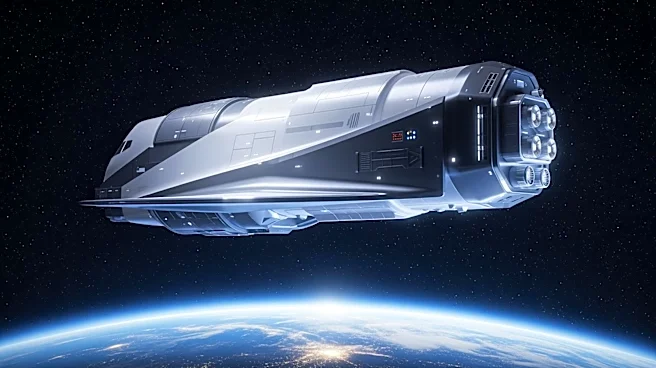
NASA is advancing its space exploration capabilities with the development of the SR-1 Freedom, a nuclear-powered spacecraft scheduled for launch in December 2028. This spacecraft is designed to travel to Mars, utilizing nuclear fission to generate electric
propulsion. The SR-1 Freedom represents a significant technological leap, as it will be the first functional nuclear-powered spacecraft. The project requires collaboration with the U.S. Department of Energy to secure uranium and obtain necessary regulatory approvals. The mission aims to deliver the Skyfall payload, consisting of drones equipped with cameras and sensors, to explore Mars for subsurface water and potential human landing sites. This initiative is part of NASA's broader strategy to establish a human habitable base on the moon and eventually Mars, leveraging nuclear power as a reliable energy source in environments where solar power is less effective.
Why It's Important?
The development of the SR-1 Freedom is crucial for the future of space exploration, as it addresses the limitations of current propulsion technologies. Nuclear power offers a more efficient and sustainable energy source for long-duration space missions, enabling larger payloads and potentially human travel to Mars and beyond. This advancement could pave the way for establishing permanent bases on the moon and Mars, which are essential for long-term human presence in space. The success of this mission could also lead to further innovations in nuclear technology, impacting not only space exploration but also energy solutions on Earth. The collaboration between NASA and the Department of Energy highlights the importance of inter-agency cooperation in achieving ambitious scientific goals.
What's Next?
Following the launch of the SR-1 Freedom, NASA will focus on testing and refining its nuclear technology to ensure safety and efficiency. The data collected from this mission will inform the development of additional nuclear-powered spacecraft and reactors for lunar and Martian bases. NASA's broader Ignition Program aims to establish a continuous human presence on the moon by 2033, involving multiple phases of infrastructure development and scientific research. This program will require numerous launches and landings, as well as the deployment of significant amounts of equipment and materials to the lunar surface. The success of these initiatives will depend on continued technological advancements and international collaboration.