






What's Happening?
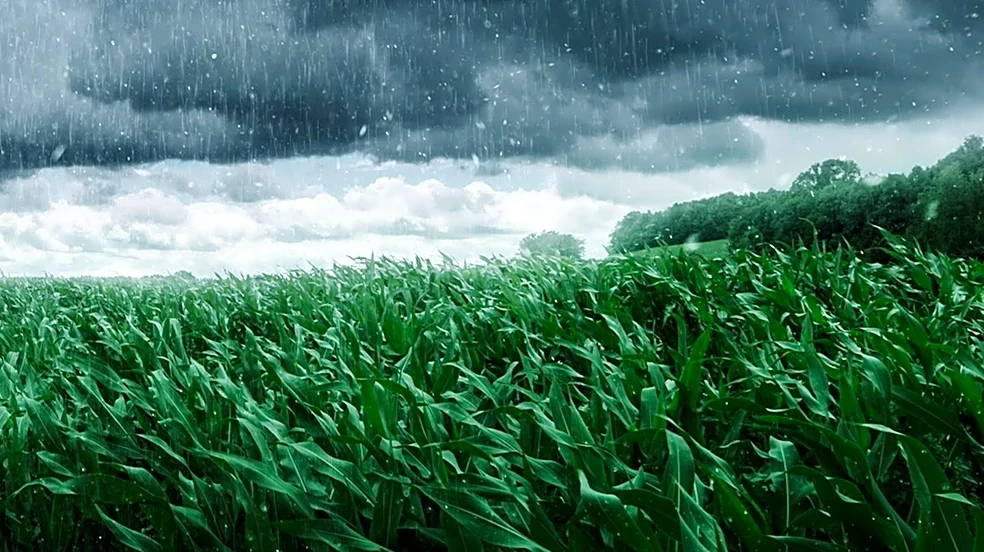
The monsoon, a seasonal shift in India's winds, is a fundamental component of the country's agricultural economy, delivering 75-80% of its total annual rainfall between June and September. Unlike a storm, the monsoon is a sustained weather pattern crucial
for crop sowing, river flows, reservoir levels, and rural demand. The India Meteorological Department (IMD) plays a vital role in forecasting the monsoon's arrival and intensity each year. The Southwest Monsoon, originating from the Arabian Sea, first makes landfall in Kerala, typically around June 1st, though the exact date can vary. This initial contact is critical as the Western Ghats force the moisture-laden air upwards, leading to significant rainfall. The IMD declares the monsoon's 'onset' based on specific measurements of rainfall, wind, and cloud cover over Kerala and the surrounding sea. The term 'monsoon' itself is derived from the Arabic word 'Mausim,' meaning season, underscoring its seasonal nature.
Why It's Important?
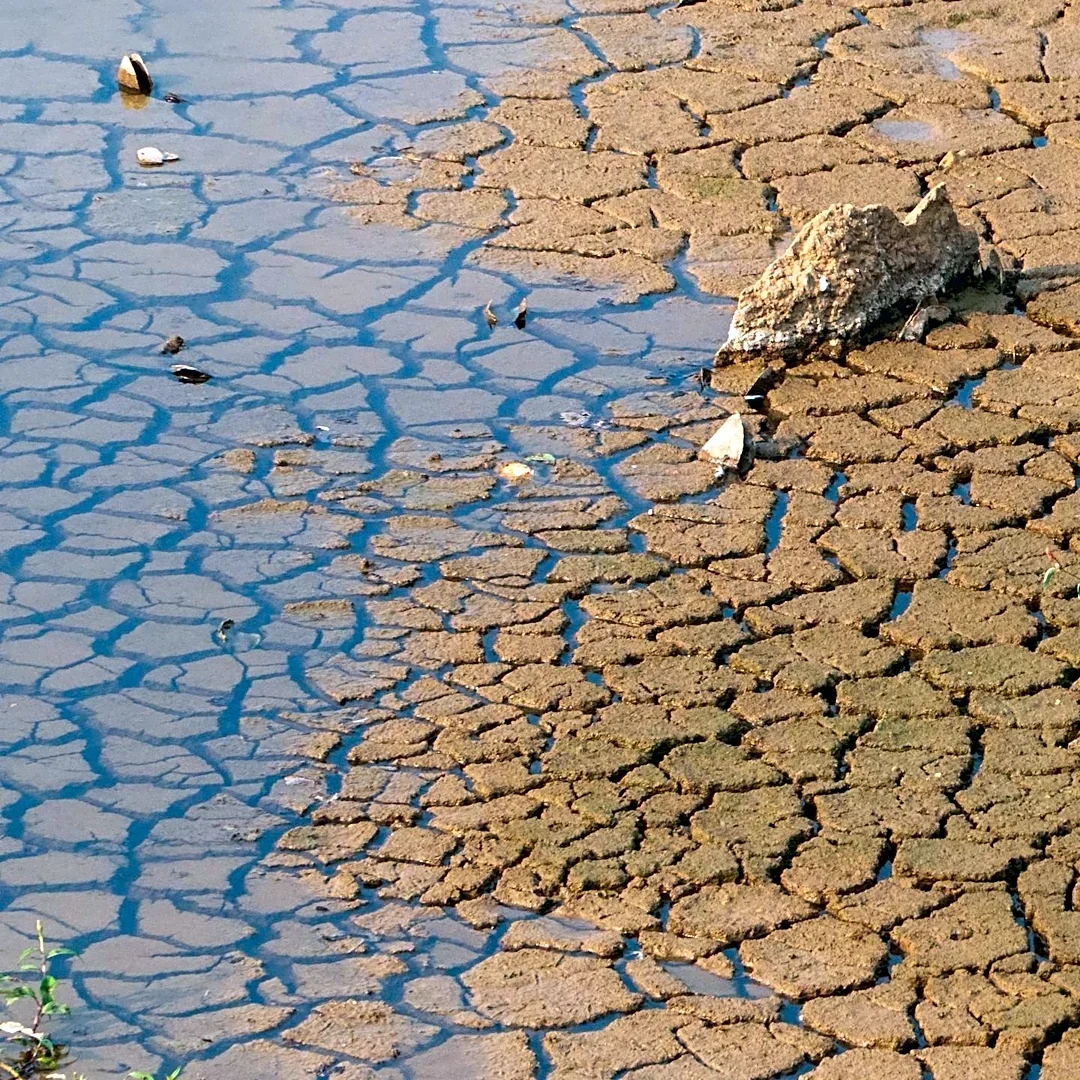
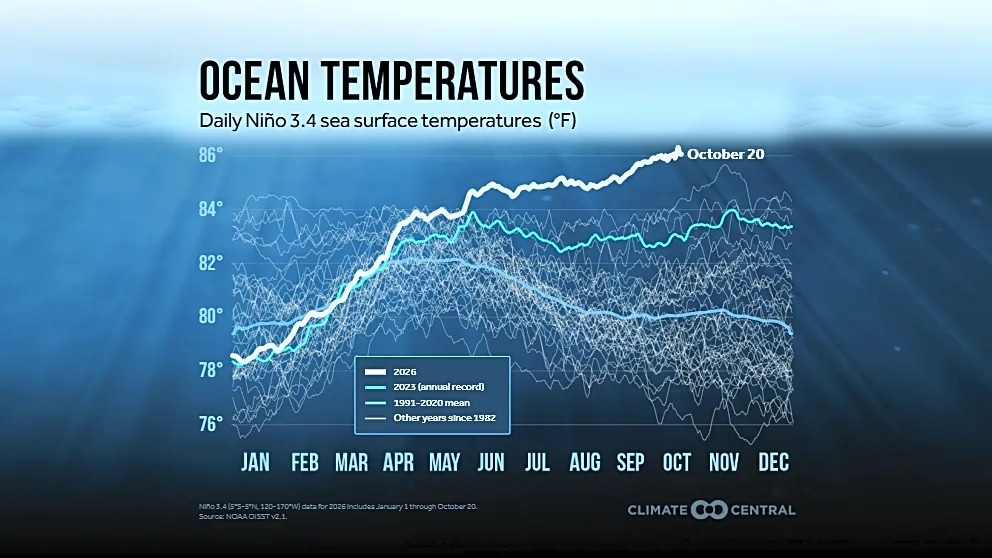
The monsoon's significance to India's economy is profound, often leading it to be called the 'true finance minister' of the nation. A robust monsoon, frequently associated with phenomena like La Nina and a positive Indian Ocean Dipole, fosters agricultural prosperity, which in turn boosts rural demand and overall economic growth. Conversely, a weak or failed monsoon, often linked to El Nino, can trigger widespread drought and severe distress for millions, particularly those dependent on agriculture. This direct correlation between monsoon performance and economic well-being makes the IMD's annual forecasts major news events and elevates the importance of global climate patterns like El Nino and La Nina. The monsoon's impact extends beyond agriculture, influencing water availability for urban centers and industrial activities, making its timely and adequate arrival critical for national stability and development.
What's Next?
The India Meteorological Department will continue to issue its annual monsoon forecasts, which are closely watched by farmers, policymakers, and financial markets. These forecasts will provide crucial guidance for agricultural planning, water resource management, and economic projections. The ongoing monitoring of global climate phenomena such as El Nino and La Nina will be essential, as their presence or absence significantly influences the monsoon's strength and distribution. Any deviations from the normal monsoon pattern, whether early or late onset, or variations in rainfall intensity, will prompt adjustments in agricultural strategies and government interventions to mitigate potential impacts. The long-term implications of climate change on monsoon patterns will also remain a key area of research and policy focus, as understanding these shifts is vital for India's future food security and economic resilience.
Beyond the Headlines
The monsoon's influence extends beyond immediate economic and agricultural concerns, touching upon social equity and regional development. A good monsoon can alleviate poverty in rural areas, improve public health by ensuring clean water availability, and reduce migration pressures. Conversely, monsoon failures can exacerbate existing inequalities, leading to food insecurity, increased debt among farmers, and heightened social tensions. The cultural fabric of India is also deeply intertwined with the monsoon, with festivals, traditions, and daily life often revolving around its arrival and rhythm. Furthermore, the scientific understanding and prediction of the monsoon involve complex atmospheric and oceanic interactions, highlighting the intricate balance of natural systems and the challenges of climate modeling. The monsoon serves as a powerful reminder of humanity's dependence on natural cycles and the critical need for sustainable environmental practices.