
What's Happening?
The holiday season, particularly the last week of December, is identified as the deadliest time of year for heart attacks, according to multiple studies including one published in the American Heart Association's journal, Circulation. This period sees
a spike in heart attacks due to a combination of factors such as overindulgence in rich foods, lack of exercise, and increased stress. Dr. Stacey E. Rosen, a board-certified cardiologist, highlights that many people neglect their heart-healthy habits during this time, which, coupled with cold weather, can lead to increased cardiac events. The cold causes blood vessels to constrict, raising blood pressure and making the heart work harder, which can trigger heart attacks, especially in those with coronary heart disease.
Why It's Important?
Understanding the increased risk of heart attacks during the holiday season is crucial for public health awareness and prevention. Heart attacks are the leading cause of death for American women, and the holiday season's unique stressors and lifestyle changes can exacerbate this risk. By recognizing the signs and symptoms of heart attacks, particularly those that present differently in women, individuals can seek timely medical intervention. Additionally, maintaining heart-healthy habits and managing stress during the holidays can significantly reduce the risk of cardiac events, potentially saving lives.
What's Next?
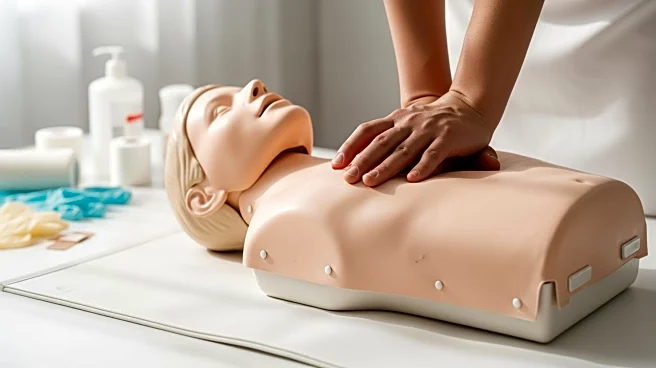
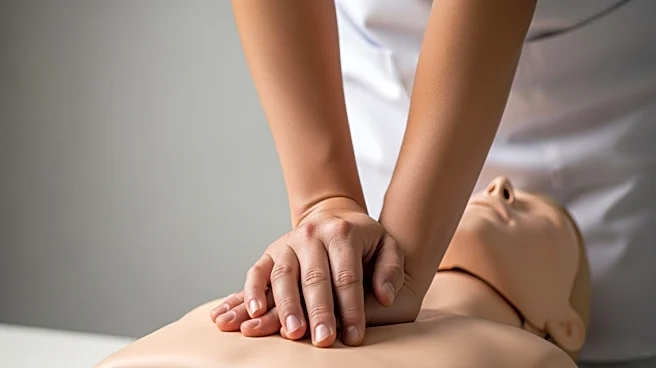
To mitigate the risk of heart attacks during the holidays, individuals are encouraged to continue heart-healthy practices such as balanced diets and regular exercise. Awareness campaigns could focus on educating the public about the symptoms of heart attacks in women and the importance of seeking immediate medical help. Healthcare providers might also emphasize the need for regular check-ups and adherence to prescribed medications during this period. Furthermore, learning CPR could be a valuable skill for families to ensure prompt response in case of cardiac emergencies.