







What's Happening?
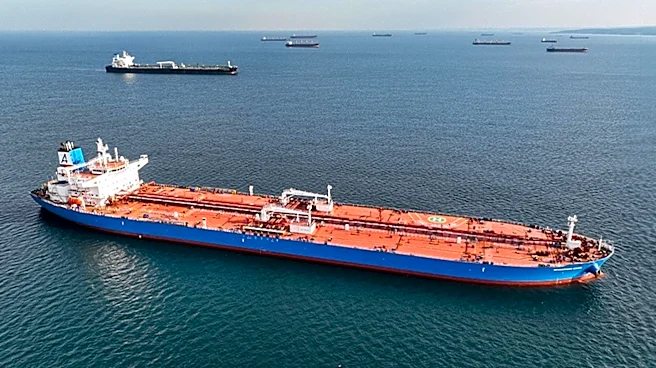
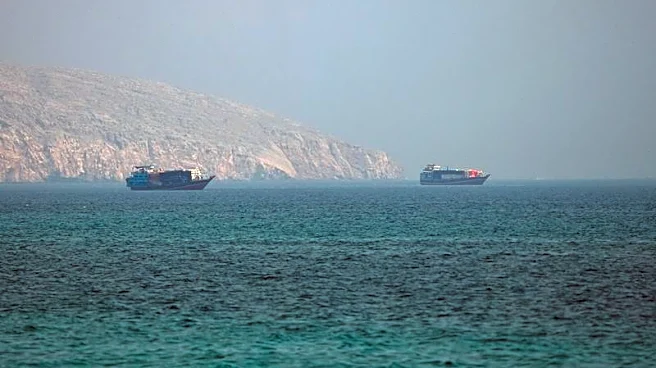
An Iranian Member of Parliament has reiterated Iran's commitment to maintaining control over the Strait of Hormuz, a critical chokepoint for global oil transportation. This statement comes amid ongoing tensions between Iran and the United States, following
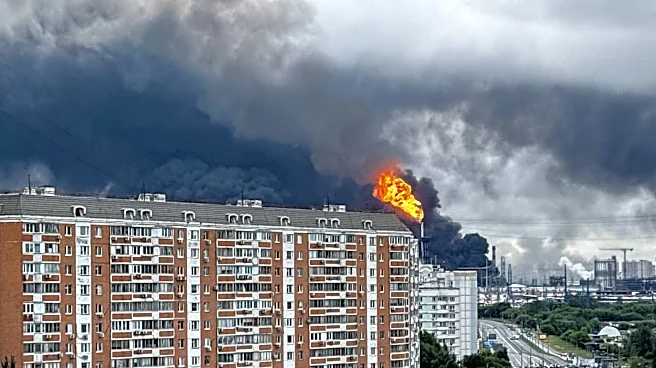
a ceasefire established in April 2026 after the outbreak of the Iran-US war earlier this year. Despite the ceasefire, recent naval clashes have heightened tensions, suggesting potential disruptions to maritime traffic in the strait. Markets appear to interpret this firm stance as indicative of continued operational control by Iran, impacting expectations for a return to normalcy in the strait’s navigation.
Why It's Important?
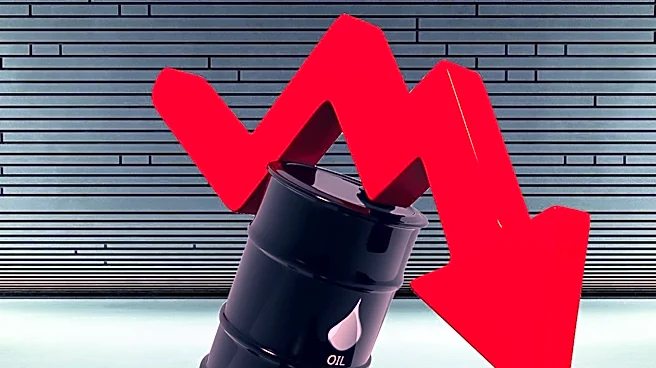
The Strait of Hormuz is a vital passage for global oil transportation, and Iran's control over it has significant implications for international energy markets. The reaffirmation of control by Iran suggests potential disruptions in oil supply routes, which could lead to fluctuations in global oil prices. This situation affects not only the countries directly involved but also global economic stability, as many nations rely on the oil that passes through this strait. The ongoing tensions between Iran and the US could further complicate diplomatic relations and impact international trade policies.
What's Next?
Observers should monitor any official announcements from Iranian leadership, which could influence market perceptions of strait operations. Developments such as a peace deal or reopening of the strait could shift market expectations towards a YES outcome. Conversely, further military escalations or reaffirmations of the blockade by Iranian officials could be consistent with a NO outcome, maintaining the current pricing trend.