



What's Happening?
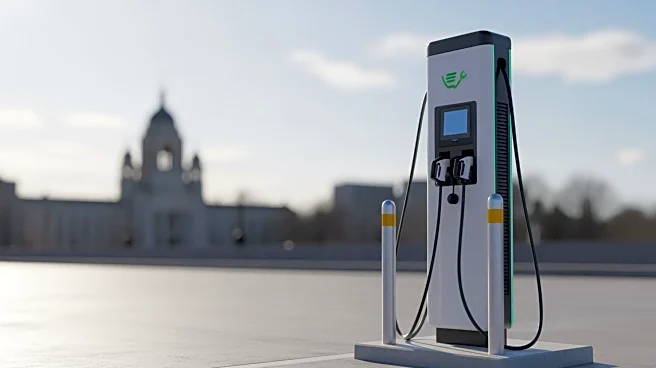
A federal judge has ruled that the Trump administration unlawfully suspended funding for the expansion of electric vehicle (EV) charger infrastructure. This decision comes as a victory for 20 Democratic-led states and the District of Columbia, which sued
over the suspension. The U.S. Department of Transportation had halted the National Electric Vehicle Infrastructure (NEVI) Formula Program, part of the Infrastructure Investment and Jobs Act signed by President Joe Biden in 2021. U.S. District Judge Tana Lin, appointed by Biden, stated that the suspension did not adhere to established administrative law. Environmental groups have praised the ruling, emphasizing its importance for clean energy investment. The ruling permanently prevents the Transportation Department from withdrawing funds or canceling approved plans.
Why It's Important?
The ruling is significant as it reinforces the legal framework supporting clean energy initiatives, particularly the expansion of EV infrastructure. This decision ensures that states can continue to develop EV charging networks, which are crucial for reducing carbon emissions and promoting sustainable transportation. The suspension of the program had threatened to delay these developments, potentially impacting the U.S.'s ability to meet climate goals. The ruling also highlights the ongoing legal and political battles over environmental policies between different administrations, reflecting broader debates on energy policy and climate change.
What's Next?
The U.S. Senate is expected to consider legislation that could redirect funds initially allocated for the EV charging network to other infrastructure priorities. This legislative move could alter the landscape of federal support for EV infrastructure. Stakeholders, including state governments and environmental groups, will likely continue to advocate for the preservation and expansion of clean energy initiatives. The Transportation Department's response to the ruling and any subsequent policy adjustments will be closely monitored by both supporters and opponents of the EV infrastructure program.