


What's Happening?
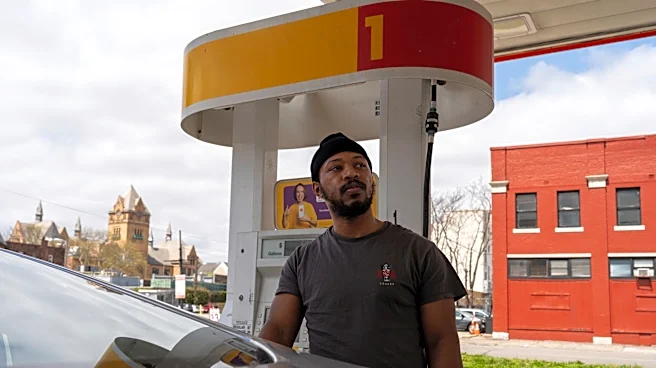
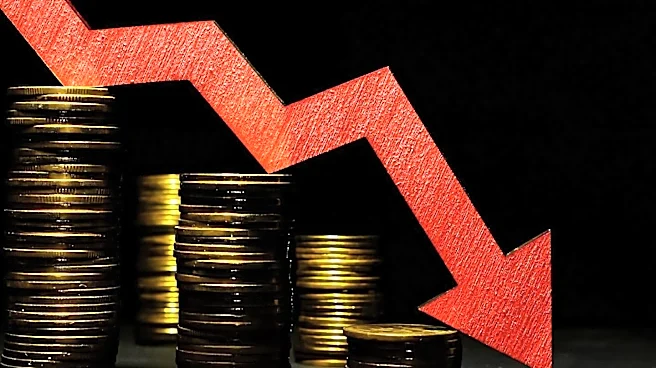
Americans' confidence in the US economy has declined as gas prices have risen due to escalating conflict between the US and Iran. The Conference Board reported a drop in its consumer confidence index to 90.8 in July from 92.2 in June. This decline is attributed
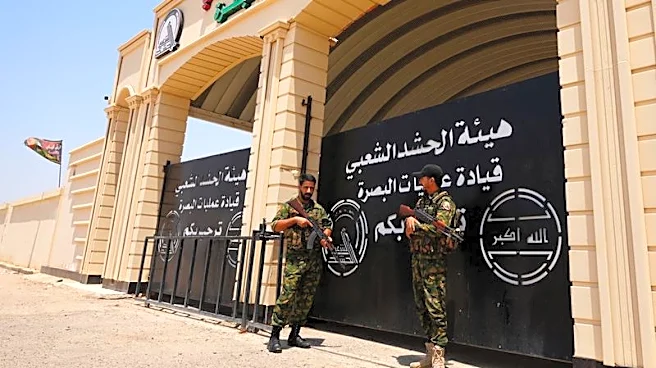
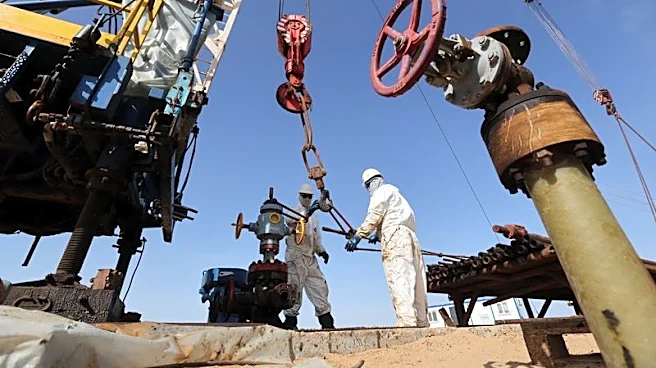
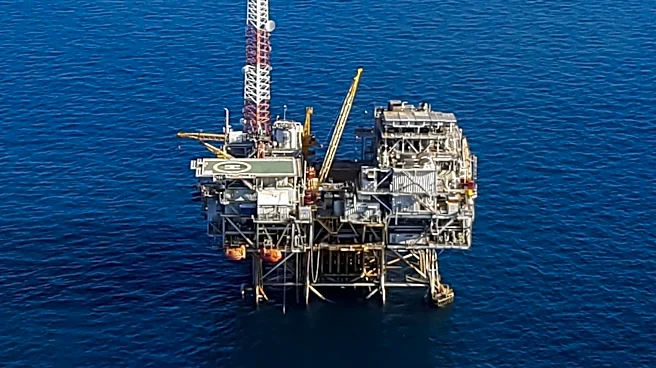
to rising gas prices, which increased to $4.10 per gallon, following Iran's closure of the Strait of Hormuz, a critical oil passage. This action has exacerbated inflation, reducing Americans' inflation-adjusted incomes. The ongoing conflict and its economic repercussions pose challenges for President Trump and the Republican Party as they approach the midterm elections.
Why It's Important?
The decline in consumer confidence reflects broader economic challenges that could have significant political and economic implications. Rising gas prices and inflation are straining household budgets, potentially affecting consumer spending and economic growth. These issues are particularly pressing as they coincide with the upcoming midterm elections, where economic performance is a critical factor for voters. The situation underscores the interconnectedness of global geopolitical events and domestic economic conditions, highlighting the need for strategic policy responses to mitigate the impact on American consumers and the broader economy.
What's Next?
As the conflict between the US and Iran continues, further fluctuations in gas prices and consumer confidence are likely. Policymakers may need to consider measures to stabilize the economy and address inflationary pressures. This could involve diplomatic efforts to de-escalate tensions in the Middle East or domestic policies aimed at cushioning the economic impact on consumers. The outcome of these efforts will be closely watched by political leaders, businesses, and consumers, as they navigate the complex interplay of geopolitical and economic factors.