



What's Happening?
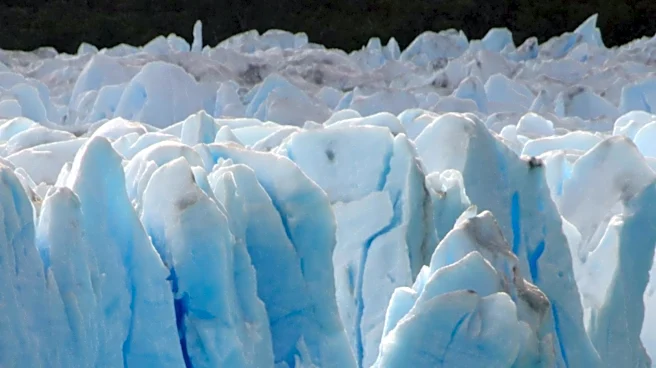
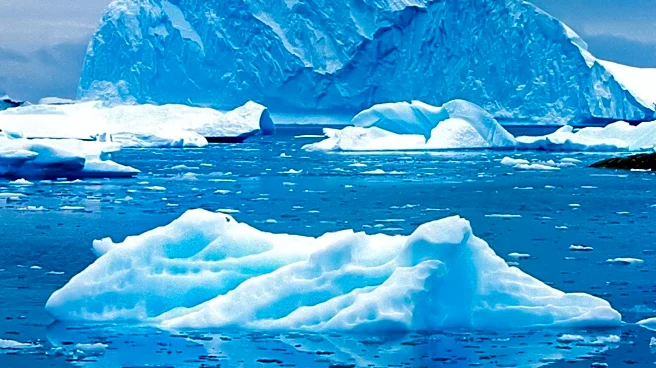
The Petermann Glacier in northwest Greenland has calved a new ice island measuring 76.4 km², marking the largest loss of floating ice from the glacier since 2012. This event, detected on August 4, 2026, is the largest Arctic calving since 2020. The ice island,
comparable in size to Manhattan, offers scientists a unique opportunity to study Arctic ice dynamics. The calving was anticipated due to long-term monitoring of the glacier's ice tongue, which has shown signs of instability. Researchers expect additional calving events in the near future, which could further reduce the glacier's ice tongue by 22%.
Why It's Important?
The calving of the Petermann Glacier is significant for both scientific research and practical navigation concerns. Scientifically, it provides insights into the processes of glacier retreat and ice mass dynamics in the Arctic, which are crucial for understanding climate change impacts. Practically, the new ice island poses potential hazards for marine navigation and offshore operations, as these large ice masses can drift and fracture over time, creating risks for shipping routes and infrastructure. The event underscores the need for continued monitoring and research to mitigate these risks and improve safety in Arctic waters.
What's Next?
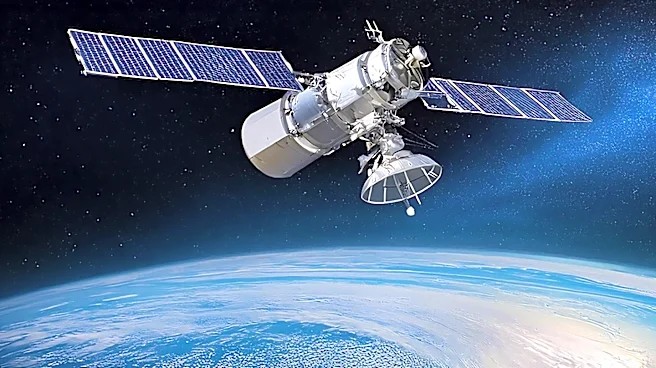
Researchers will continue to monitor the Petermann Glacier and the newly formed ice island using satellite imagery and other observational methods. This ongoing research aims to track the movement and fragmentation of the ice island, assess potential hazards, and understand the mechanisms driving Arctic ice shelf calving. Additionally, Environment and Climate Change Canada will evaluate the implications for Arctic navigation and offshore operations, potentially leading to new safety protocols and strategies to address the challenges posed by drifting ice islands.