





What's Happening?
The ongoing cyclospora outbreak in the U.S., which has affected thousands, is drawing attention to the centralized nature of the food supply chain. Experts suggest that the consolidation of food sourcing and distribution networks has turned isolated contamination
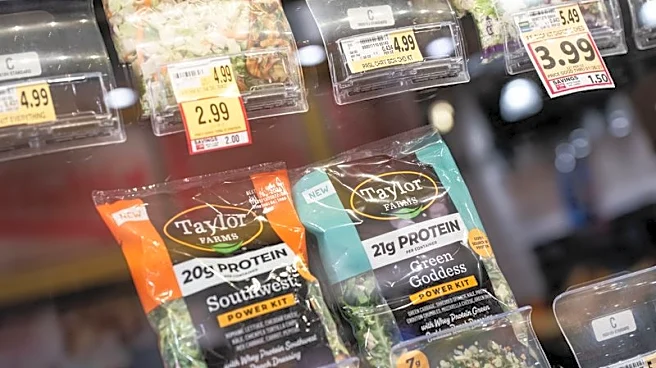
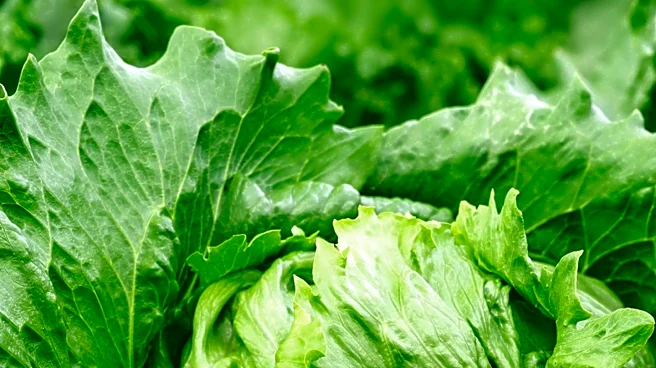
events into widespread outbreaks. The cyclospora parasite's long incubation period and the challenges in tracking its path have exacerbated the situation. The FDA's investigation is focusing on shredded iceberg lettuce distributed by Taylor Farms, which reached multiple states. Experts argue that the industry's structure has amplified the outbreak's impact.
Why It's Important?
The outbreak highlights vulnerabilities in the U.S. food supply chain, particularly the risks associated with centralized processing and distribution. As the food industry continues to consolidate, the potential for widespread contamination increases, posing significant public health risks. This situation underscores the need for improved food safety regulations and more effective federal responses to outbreaks. The economic impact on affected businesses and the potential loss of consumer trust in food safety are also critical considerations.
What's Next?
The FDA's ongoing investigation may lead to regulatory changes aimed at improving food safety and preventing future outbreaks. There could be increased pressure on the food industry to adopt more decentralized sourcing and distribution practices. Public health agencies may also enhance their monitoring and response strategies to better manage similar outbreaks. The outcome of this situation could influence future policies and industry practices regarding food safety and supply chain management.