





What's Happening?
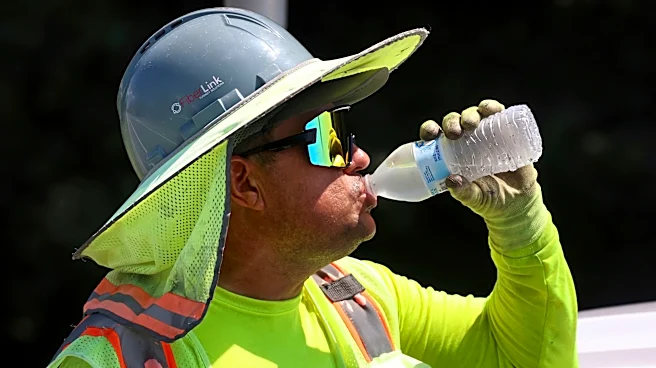
A significant heat wave is expected to impact millions of Americans across the eastern United States during the Fourth of July celebrations. The heat wave, characterized by high temperatures and humidity, will affect the Midwest, Mid-Atlantic, and Northeast
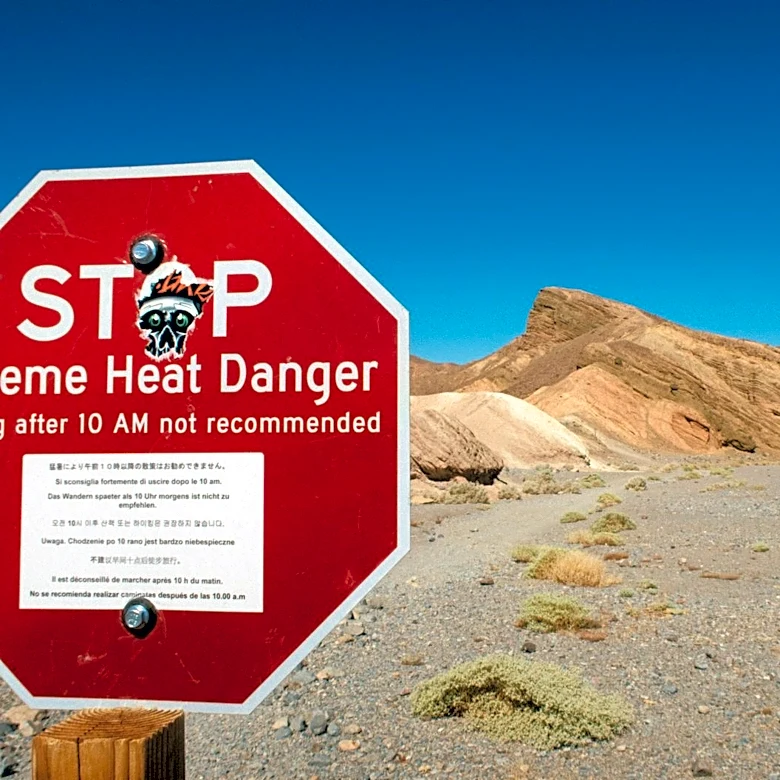
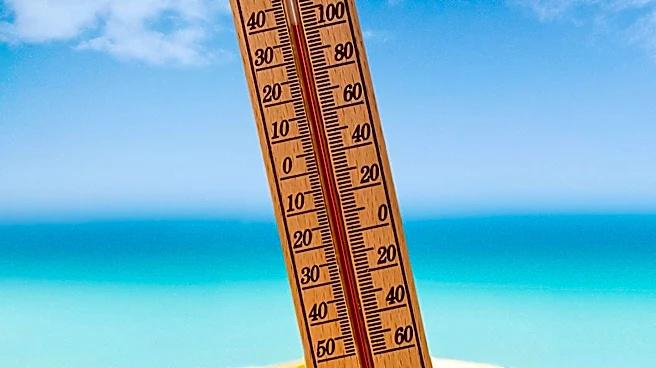
regions. Temperatures are forecasted to reach or exceed 100 degrees Fahrenheit, with heat indices potentially hitting 110 degrees or more. The National Weather Service has issued warnings, highlighting the risk of heat-related illnesses such as heat exhaustion and heat stroke. The heat wave is expected to peak during the holiday weekend, coinciding with outdoor events and travel plans.
Why It's Important?
The heat wave poses a significant health risk, particularly during a time when many Americans are outdoors celebrating Independence Day. The extreme temperatures can lead to increased emergency room visits for heat-related illnesses. Additionally, the heat wave underscores the broader issue of climate change, as such events are becoming more frequent and severe due to human-caused warming. The situation highlights the need for public awareness and preparedness to mitigate health risks and adapt to changing climate patterns.
What's Next?
As the heat wave progresses, temperatures in some areas may ease later in the holiday weekend due to shifting weather patterns. However, above-average temperatures are expected to persist in the South into the following week. Authorities and health officials are likely to continue issuing advisories and recommendations to ensure public safety. The situation may prompt discussions on infrastructure and policy measures to address the impacts of extreme weather events.