
What's Happening?
Astronauts from the International Space Station (ISS) have returned to Earth earlier than planned due to a medical emergency involving one of the crew members. The Crew-11 mission, which had been in space
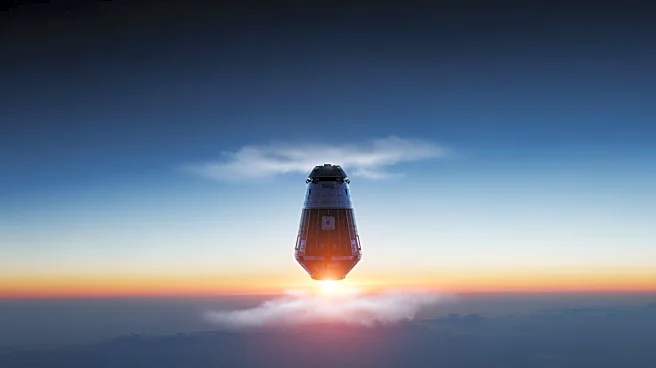
for several months, was cut short when an astronaut developed a 'serious medical condition.' The affected astronaut is in stable condition but required treatment that could not be adequately provided on the ISS. The spacecraft carrying the crew splashed down off the coast of California, and the crew is now undergoing rehabilitation to recover from the physical effects of prolonged space travel. The ISS environment, characterized by zero gravity, isolation, and increased radiation exposure, poses significant challenges to human health, necessitating careful monitoring and medical support.
Why It's Important?
The early return of the ISS crew underscores the inherent risks and challenges of human space travel. Prolonged exposure to the space environment can lead to various health issues, including muscle atrophy, bone density loss, and increased radiation exposure, which can elevate cancer risks. The incident highlights the need for robust medical support systems for astronauts and the importance of ongoing research into mitigating the health impacts of space travel. This event also emphasizes the critical role of Earth-based medical facilities in addressing serious health conditions that cannot be managed in space, impacting future mission planning and the development of medical technologies for space exploration.
What's Next?
Following their return, the astronauts will undergo a comprehensive rehabilitation program to address the physical deconditioning experienced during their time in space. This process involves intensive physical training to restore muscle strength and bone density. The incident may prompt NASA and other space agencies to review and enhance medical protocols and emergency response strategies for future missions. Additionally, the event could influence the design of spacecraft and space habitats to better support astronaut health and safety, particularly for long-duration missions to destinations like Mars.
Beyond the Headlines
The medical emergency on the ISS brings attention to the broader implications of human space exploration, including ethical considerations around the health and safety of astronauts. It raises questions about the limits of current medical capabilities in space and the need for advancements in telemedicine and remote medical interventions. The situation also highlights the importance of international collaboration in space exploration, as multiple countries contribute to the ISS and share responsibility for crew safety. Long-term, this incident may drive innovation in space medicine and influence policies governing human spaceflight.