
What's Happening?
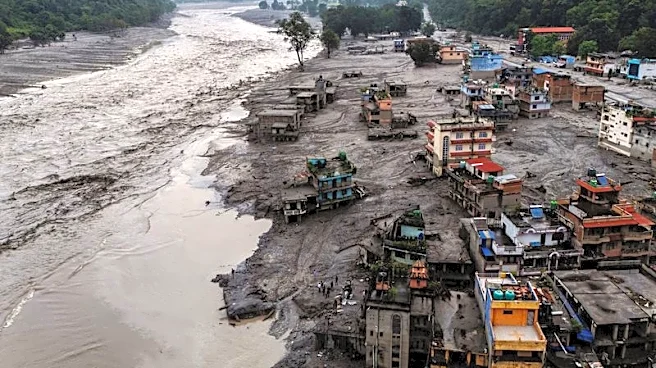
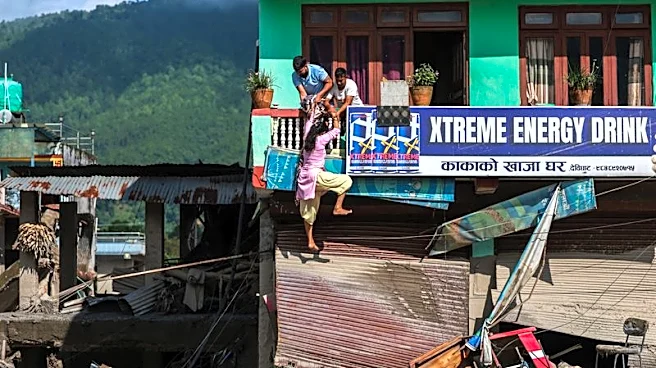
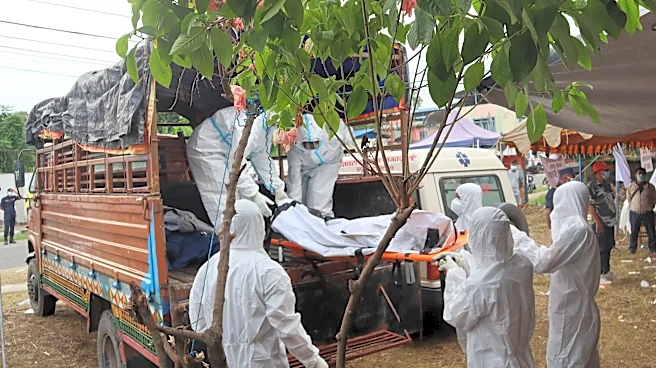
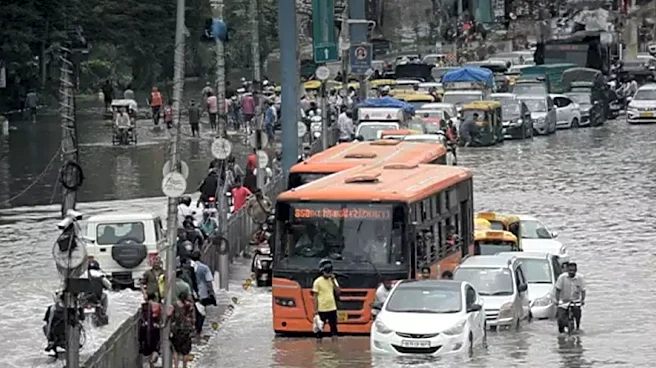
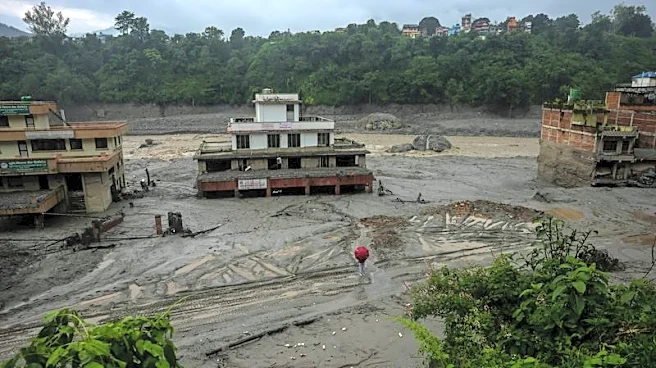
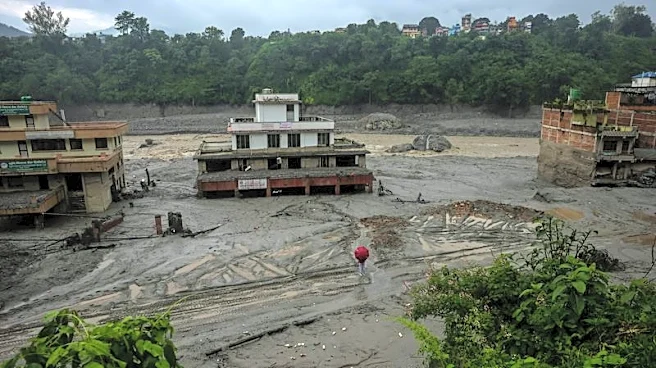
CARE Nepal is actively engaged in emergency response efforts following flash flooding that struck Nepal's Rasuwa, Nuwakot, and Dhading districts on August 26. The organization is working with government authorities and local partners to deliver essential
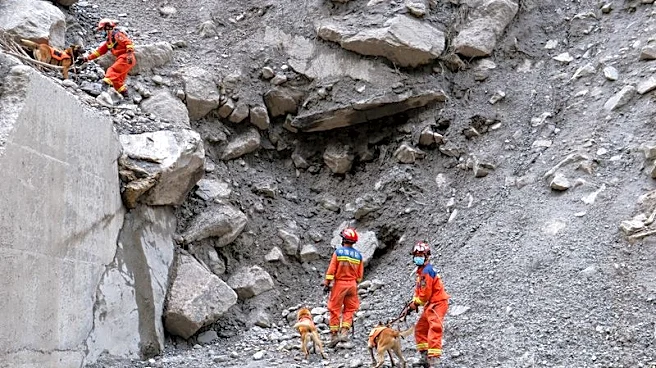
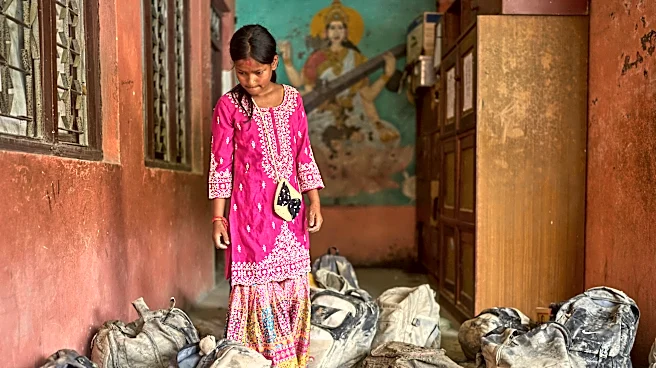
assistance to affected families. Mona Sherpa, CARE Nepal Country Director, emphasized that relief efforts are prioritizing vulnerable populations, including women, girls, older people, and individuals with disabilities, who are disproportionately impacted by such disasters. Beyond immediate rescue, communities face significant challenges related to shelter, food, safe water, health services, protection, and re-establishing livelihoods. CARE is conducting a rapid assessment to understand the specific effects of the flood and displacement on women and girls. The organization is collaborating with the National Disaster Risk Reduction and Management Authority (NDRRMA), local partner organizations, and Humanitarian Partnership Platform members to reach those in need. Access to the worst-affected communities, particularly in Rasuwa, has been severely hampered by washed-out roads and destroyed bridges, making relief distribution difficult. CARE has prepared hundreds of 'CARE PACKAGE® for Emergencies' kits, containing solar panels, shelter materials, water purification supplies, hygiene items, and kitchen utensils with ready-to-cook and ready-to-eat food. Over 100 packages have been handed over to the NDRRMA and the Prime Minister’s Office for distribution, with the Nepal Army transporting supplies to Dhunche, Rasuwa.
Why It's Important?
The flash flooding in Nepal highlights the critical need for rapid and coordinated humanitarian response in disaster-prone regions. The focus on vulnerable groups such as women, girls, older people, and individuals with disabilities underscores the differential impacts of natural disasters and the importance of tailored aid. The destruction of infrastructure, particularly roads and bridges, severely impedes relief efforts, demonstrating the logistical complexities and challenges faced by humanitarian organizations. This event also brings to light the long-term recovery needs beyond immediate relief, including the re-establishment of livelihoods, provision of transitional housing, and addressing potential health risks as floodwaters recede. The collaboration between international NGOs like CARE, government bodies, and local partners is crucial for an effective and non-duplicative response. The incident also has broader economic implications, as the flood cut off the only overland route linking Kathmandu to Tibet, impacting trade through the Gyirong Port, which handled a significant portion of trade between Nepal and China in 2024. This disruption can have lasting effects on regional economies and supply chains.
What's Next?
CARE Nepal will continue its efforts to coordinate closely with government authorities, humanitarian clusters, and local partners to ensure efficient and targeted aid delivery, aiming to avoid duplication of efforts. The organization is mobilizing additional emergency supplies and working with the Nepal Army for transportation to hard-to-reach areas. A further 290 community volunteers, trained in emergency preparedness, are on standby to assist the Federal Response Team. The immediate focus remains on providing ready-to-eat food for families in temporary shelters, with a longer-term plan for transitional housing. As the full scale of needs is still being assessed by humanitarian organizations, a sustained engagement will be required to help communities rebuild their lives and livelihoods. The Government of Nepal has requested assistance from both India and China for rescue efforts, indicating ongoing international collaboration. Addressing the damaged water and sanitation systems will be critical to prevent disease outbreaks as floodwaters recede. The long-term economic recovery, particularly concerning trade routes and local businesses, will also be a significant challenge.
Beyond the Headlines
This disaster underscores the increasing vulnerability of communities to environmental changes and natural disasters, a global trend that disproportionately affects developing nations. The emphasis on gender-sensitive assessments by CARE, specifically examining how the flood and displacement affect women and girls differently, highlights a crucial aspect of humanitarian aid often overlooked. Women and girls frequently face heightened risks during and after disasters, including increased vulnerability to violence, limited access to resources, and disruption of essential services. The long-term impact on the region's economy, particularly the disruption of a vital trade route between Nepal and China, could have ripple effects on regional stability and development. The incident also serves as a stark reminder of the importance of disaster preparedness and resilience-building at both local and national levels. The involvement of community volunteers trained in emergency preparedness is a testament to the value of local capacity building in mitigating the effects of such events. The call for international solidarity and support from CARE Nepal emphasizes the interconnectedness of global humanitarian efforts in addressing crises that transcend national borders.