






What's Happening?
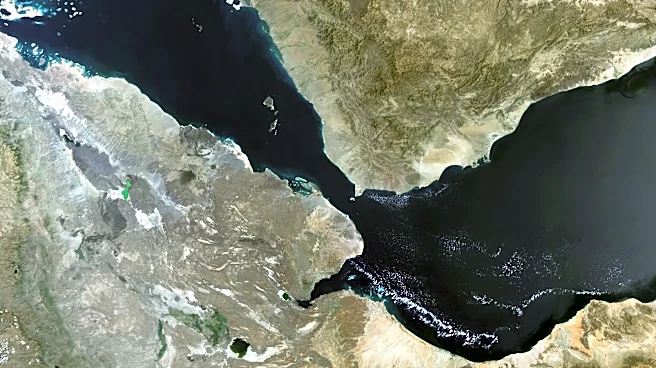
The Odesa Port Plant (OPP) in Ukraine is attracting interest from four foreign companies amid a global ammonia supply crisis exacerbated by the closure of the Strait of Hormuz. This blockade has significantly tightened ammonia supplies worldwide, making
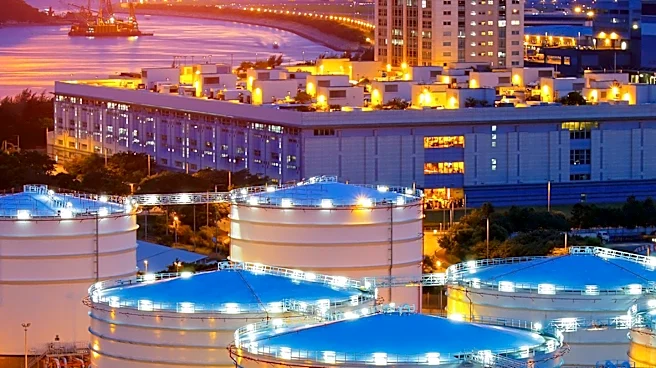
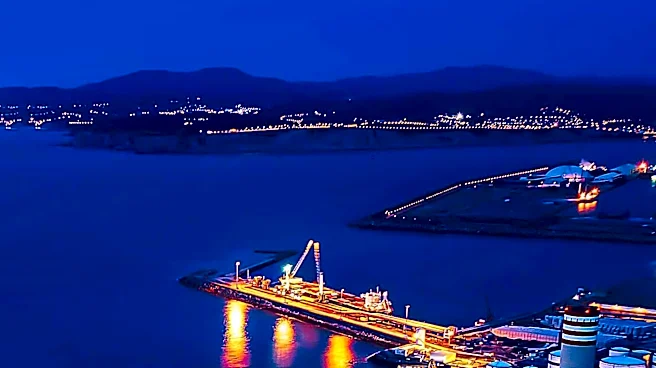
the war-damaged Ukrainian fertilizer plant a more attractive investment. The companies, hailing from the U.S., Asia, and the Middle East, have signed non-disclosure agreements to access the plant's data ahead of a planned privatization auction. The auction, scheduled for October 19, comes after Ukraine's cabinet reduced the plant's starting price due to war-related damages. Historically, the OPP has been a significant ammonia and urea exporter, but its operations have been largely halted due to ongoing conflicts.
Why It's Important?
The interest in the Odesa Port Plant highlights the strategic importance of ammonia in global agriculture and industry, especially during supply disruptions. The potential privatization of the plant could lead to significant foreign investment in Ukraine, providing much-needed economic support amid ongoing conflicts. This development also underscores the broader geopolitical implications of resource control and supply chain vulnerabilities. The involvement of companies from diverse regions indicates a global recognition of the plant's value, potentially leading to increased competition and collaboration in the fertilizer market.
What's Next?
As the privatization auction approaches, stakeholders will be closely monitoring the bidding process and the potential impact on global ammonia supplies. The successful sale of the Odesa Port Plant could set a precedent for future privatizations of state-owned assets in Ukraine, influencing the country's economic recovery and integration into global markets. Additionally, the resolution of legal and financial challenges surrounding the plant will be crucial in determining its operational future and contribution to stabilizing ammonia supplies.