



What's Happening?
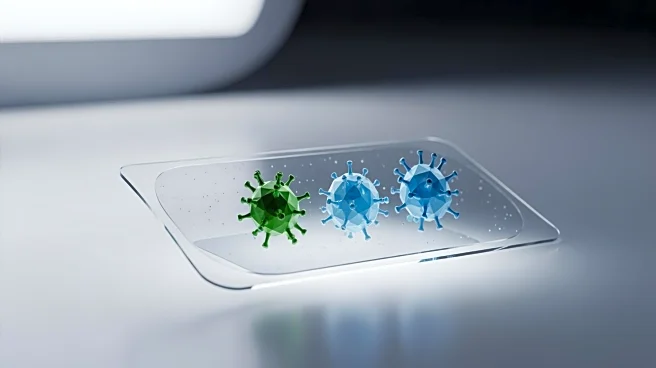
Researchers have developed a novel patch that uses bacteriophages to combat foodborne pathogens, potentially reducing cases of food poisoning. The patch, detailed in Scientific Advances, delivers viruses that specifically target and destroy bacteria like
E. coli and Salmonella. These bacteriophages are applied via microneedle patches that penetrate food surfaces, effectively reducing bacterial presence by up to 99.9% in tests. This method offers a proactive approach to food safety, aiming to neutralize harmful bacteria before consumption.
Why It's Important?
This development represents a significant advancement in food safety technology, potentially reducing the incidence of foodborne illnesses, which affect millions annually. By targeting bacteria directly on food products, this method could enhance food safety standards and reduce healthcare costs associated with treating food poisoning. The use of bacteriophages, already approved by the FDA for certain applications, could become a standard practice in food processing, offering a more effective alternative to traditional methods.
What's Next?
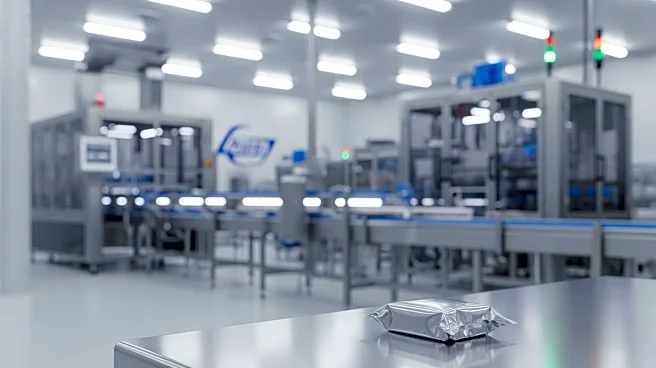
While promising, the widespread adoption of this technology faces challenges, including consumer acceptance and practical implementation in food processing. Further research is needed to address these issues and expand the range of bacteriophages used. If successful, this technology could be integrated into food packaging, providing an additional layer of safety for consumers.