

What's Happening?
Elizabeth Holmes, the founder of the now-defunct blood-testing startup Theranos, has formally requested U.S. President Donald Trump to commute her prison sentence. Holmes, who was convicted in 2022 on charges of wire fraud and conspiracy, is currently
serving an 11-1/4-year sentence. Her conviction was upheld by a federal appeals court in February 2023. The U.S. Department of Justice’s Office of the Pardon Attorney has listed her commutation request as pending. Holmes was found guilty of misleading investors about the capabilities of Theranos' technology, which she claimed could perform numerous medical tests with just a single drop of blood. At its peak, Theranos was valued at $9 billion, and Holmes was once estimated to have a net worth of $4.5 billion. She is currently incarcerated at a minimum-security federal prison camp in Bryan, Texas, and is eligible for release in December 2031.
Why It's Important?
The request for commutation by Elizabeth Holmes highlights ongoing discussions about the justice system's handling of white-collar crime. Holmes' case has been a high-profile example of corporate fraud, drawing significant public and media attention. Her request for early release could spark debates on the fairness and consistency of sentencing in financial crimes, especially given the scale of the fraud and the impact on investors. If President Trump were to grant her request, it could set a precedent for other high-profile cases, potentially influencing future decisions on clemency and pardons. The outcome of this request could also affect public perception of accountability and justice in the corporate world.
What's Next?
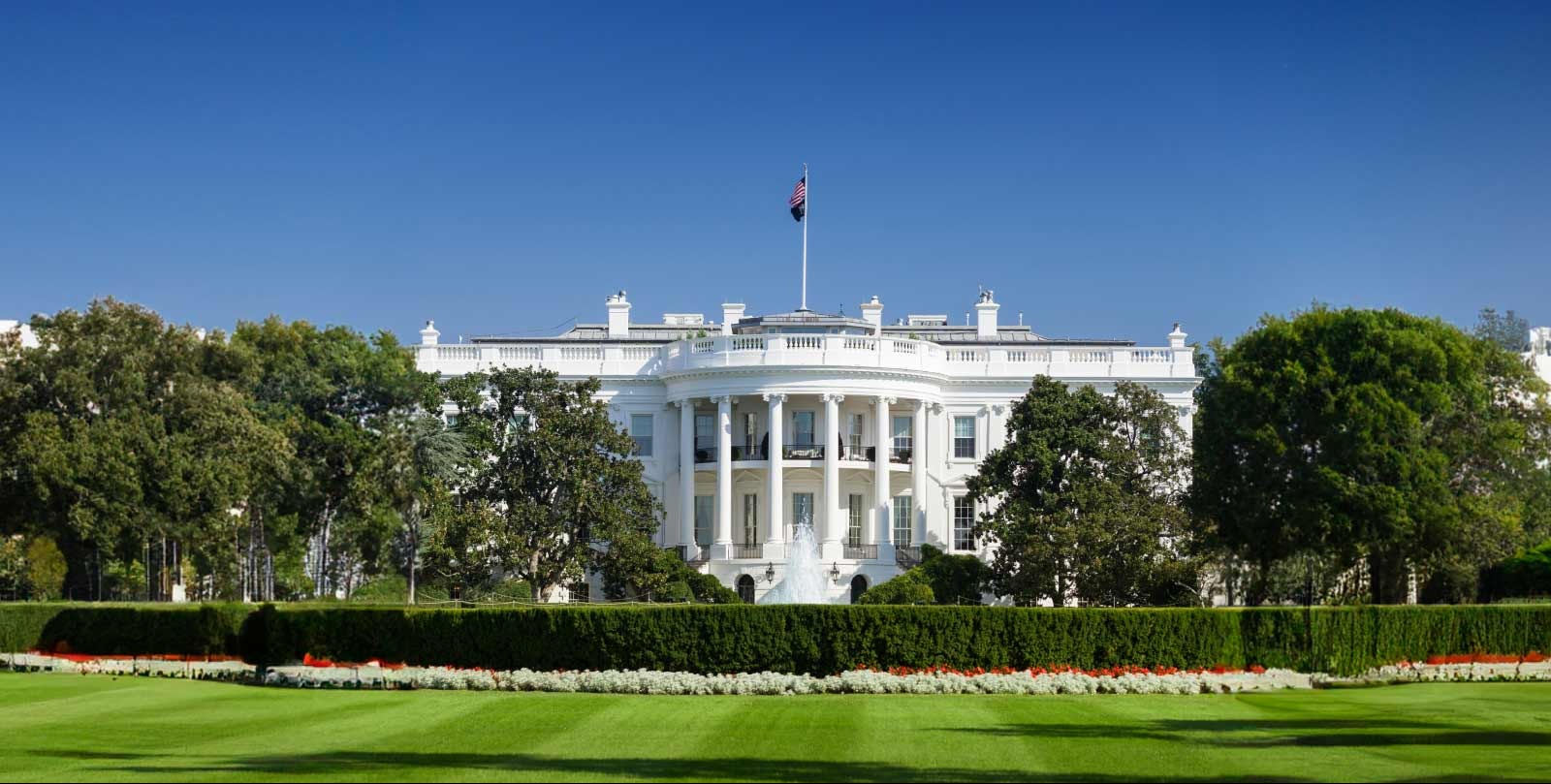
The White House has not yet commented on Holmes' request, and it remains unclear how President Trump will respond. If the request is granted, Holmes would be released from prison but would still be responsible for the $452 million in restitution ordered by the court. Legal experts and the public will be closely watching for any developments, as the decision could have broader implications for the justice system and corporate governance. Additionally, the response from investors and stakeholders affected by the Theranos scandal will be critical in shaping the narrative around this case.