











What's Happening?
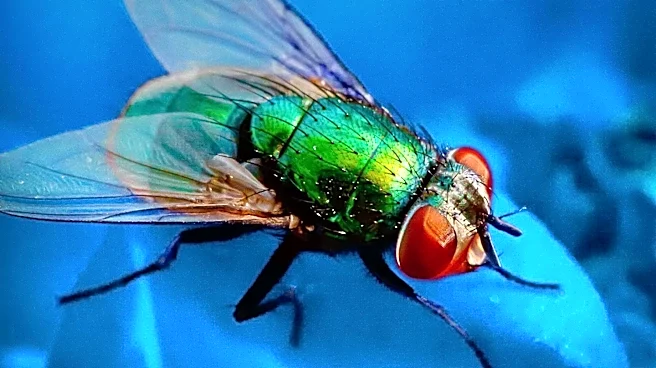
Experts are raising alarms about the potential spread of the new world screwworm in the U.S., a parasitic fly that has been detected in livestock and pets, primarily in Texas and New Mexico. The screwworm, which causes severe wounds in animals, has become
endemic in wildlife in Central America and poses a threat to U.S. agriculture. Efforts to control the spread include releasing sterile flies to reduce the population, but experts warn that more resources are needed to effectively push the infestation back south.
Why It's Important?
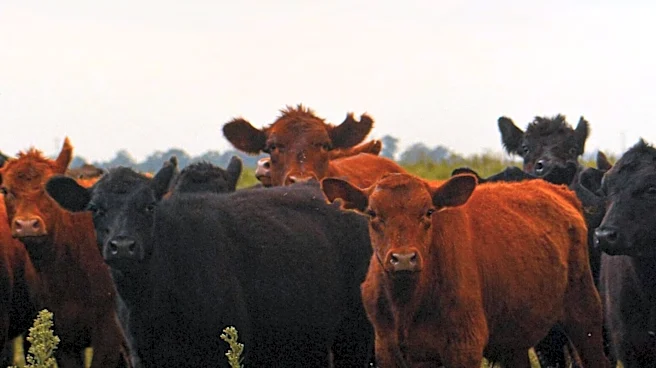
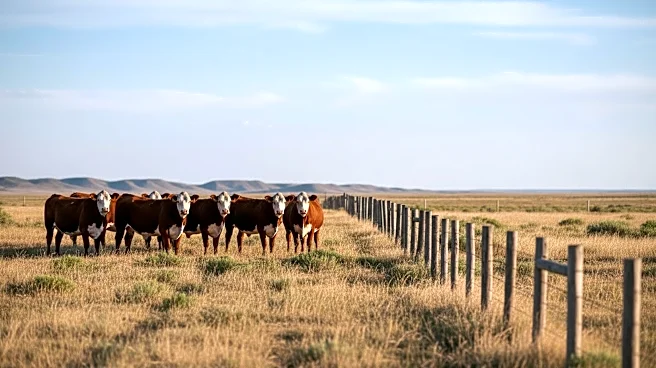
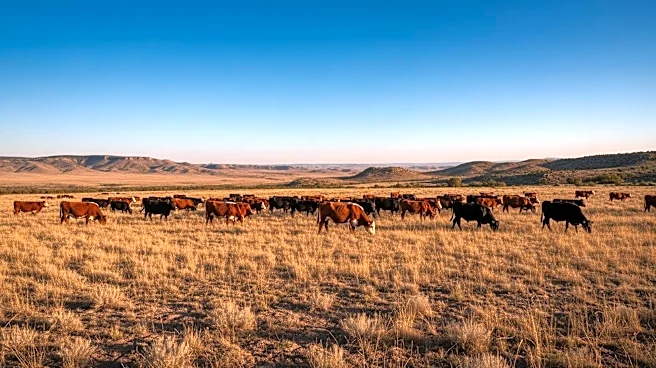
The spread of screwworms could have devastating effects on the U.S. cattle industry, leading to significant economic losses. The situation highlights the challenges of managing cross-border agricultural pests and the need for robust biosecurity measures. The infestation also underscores the importance of addressing illegal cattle movements, which contribute to the spread of the parasite. The potential impact on wildlife and biodiversity adds another layer of concern for conservationists.
What's Next?
Efforts to expand sterile fly production are underway, with new facilities planned in Mexico and Texas. Research into more effective control methods, such as better bait traps and targeted sterile fly releases, is ongoing. Authorities will need to balance immediate control measures with long-term strategies to address the root causes of the infestation, including illegal cattle trafficking. Collaboration between U.S. and Mexican authorities will be crucial in managing the cross-border threat.