






What's Happening?
A recent analysis by Environment America Research & Policy Center has revealed that Per- and polyfluoroalkyl substances (PFAS) were detected at 83% of 1,602 U.S. surface-water monitoring locations tested between 2022 and 2024. The report identified PFAS in 1,329
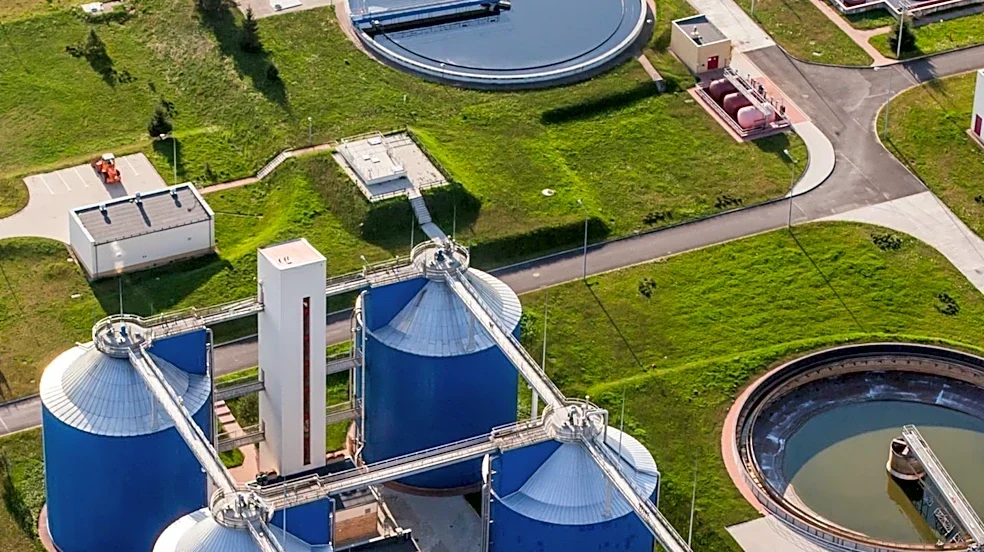
locations across various surface waters, including rivers, lakes, and streams. Researchers found 114 different PFAS compounds out of 174 tested. The data primarily came from the U.S. Environmental Protection Agency’s (EPA) Water Quality Portal, supplemented by information from Waterkeeper Alliance and state agencies in Maine and Massachusetts. The report also identified several pathways for PFAS to enter waterways, such as industrial discharges, wastewater treatment plant effluent, landfill leachate, and runoff from farmland treated with PFAS-contaminated sewage sludge. Firefighting foams used at airports and military facilities were also cited as sources.
Why It's Important?
The widespread detection of PFAS in U.S. waterways signifies a pervasive environmental and public health crisis. These 'forever chemicals' are known for their persistence in the environment and their links to various health issues, including cancer, developmental problems, and immune system dysfunction. The contamination of surface waters directly impacts drinking water sources, aquatic ecosystems, and potentially the food chain. This issue poses significant challenges for water utilities, which must invest in costly treatment technologies to remove PFAS. For industries, it highlights the need for stricter regulations on chemical manufacturing and waste disposal. The report underscores that current monitoring efforts likely only capture a fraction of the actual contamination, suggesting a much larger problem that could have long-term consequences for public health and environmental integrity across the nation.
What's Next?
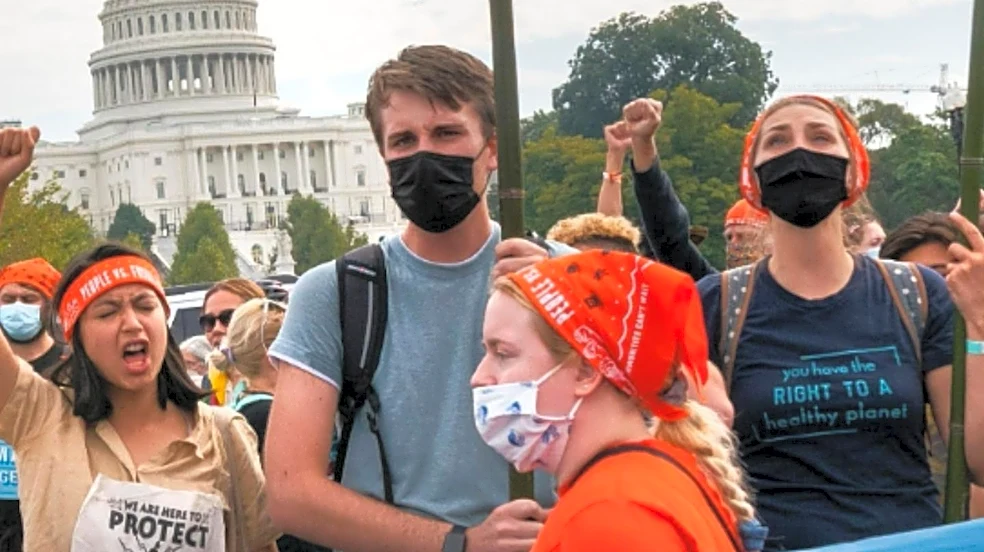
Environment America has recommended several actions to address PFAS contamination, including phasing out PFAS where safer alternatives exist, requiring industrial facilities to prevent releases into waterways, removing PFAS from wastewater before it reaches treatment plants, ending the application of PFAS-contaminated sewage sludge to farmland, and expanding surface-water monitoring. While monitoring helps identify contamination and track trends, the report emphasizes that it must be coupled with preventative measures. Future actions will likely involve increased regulatory pressure on industries, further investment in advanced water treatment technologies, and continued research into the health impacts and remediation strategies for PFAS. Public awareness and advocacy will also play a crucial role in driving policy changes and ensuring accountability.
Beyond the Headlines
The pervasive nature of PFAS contamination in U.S. waterways points to a systemic issue rooted in industrial practices and regulatory gaps. The report's findings highlight the long-term consequences of using persistent chemicals without fully understanding their environmental and health impacts. This situation raises ethical questions about corporate responsibility and the precautionary principle in environmental policy. The economic burden of remediation and health care costs associated with PFAS exposure could be substantial, affecting taxpayers and healthcare systems. Furthermore, the contamination disproportionately impacts communities located near industrial sites or military bases, raising environmental justice concerns. Addressing this challenge requires a multi-faceted approach that includes not only technological solutions but also fundamental shifts in chemical production, waste management, and regulatory oversight to protect future generations.