




What's Happening?
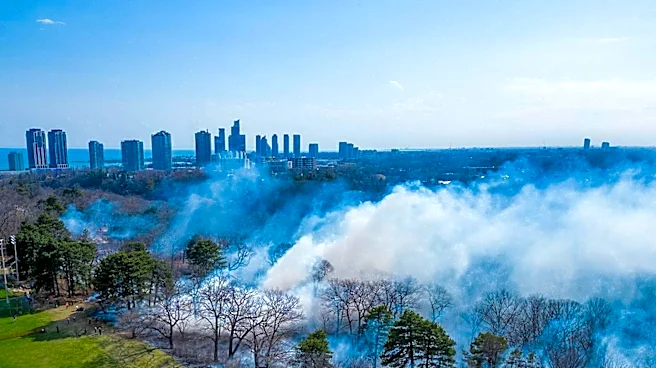
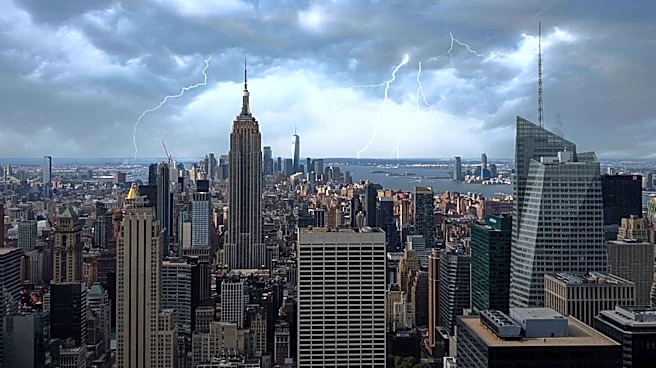
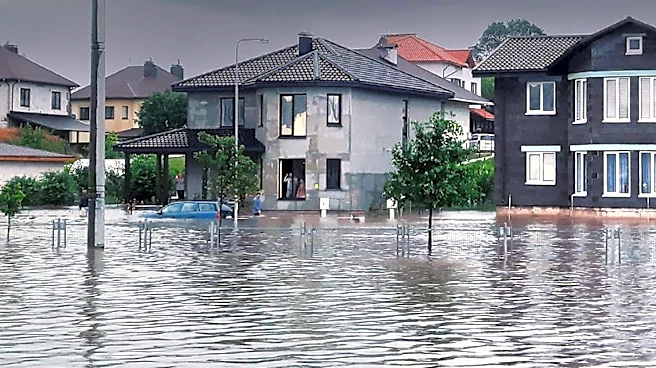
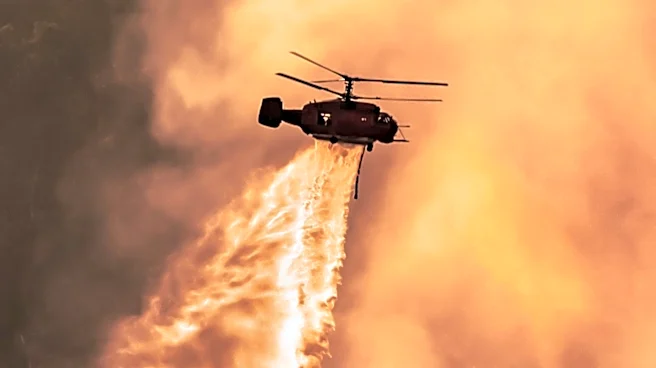
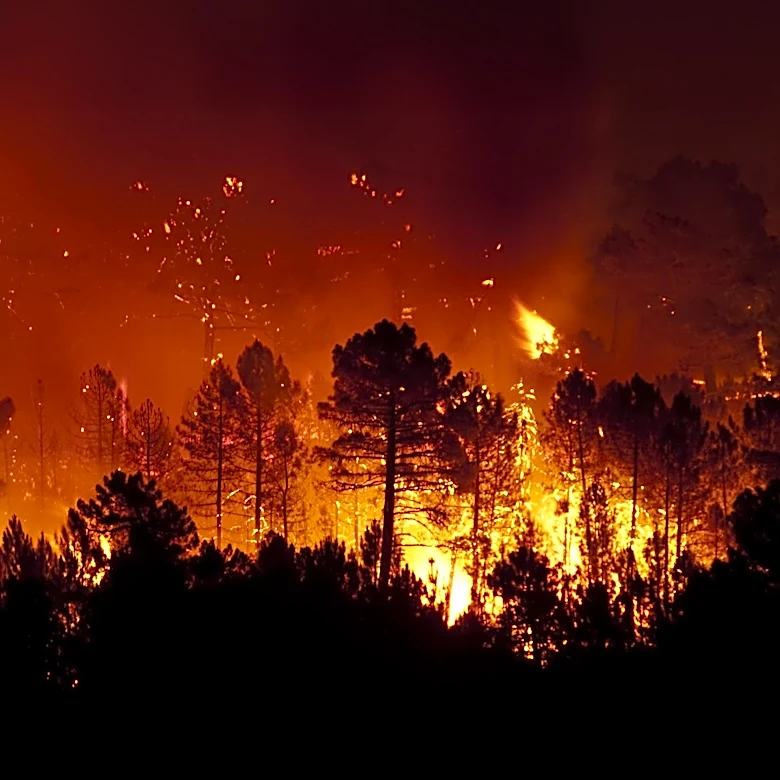
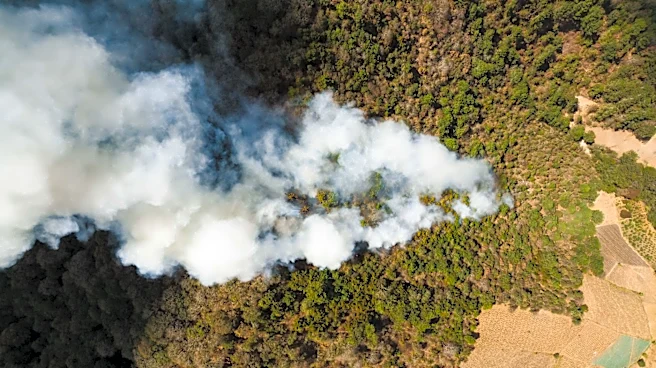
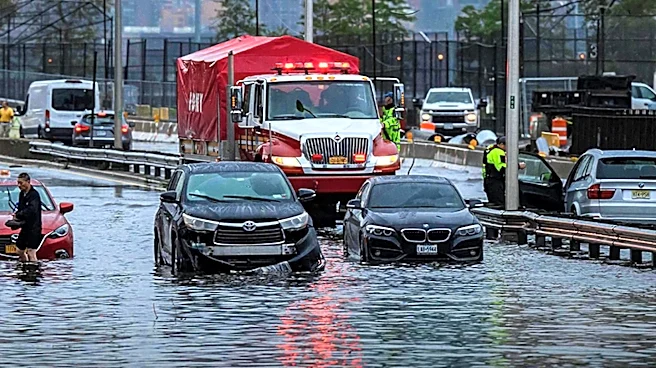
The northeastern United States is experiencing severe weather conditions, with flash flood warnings issued due to torrential rains and smoky skies from Canadian wildfires. On Saturday, the region faced a combination of severe thunderstorms and poor air
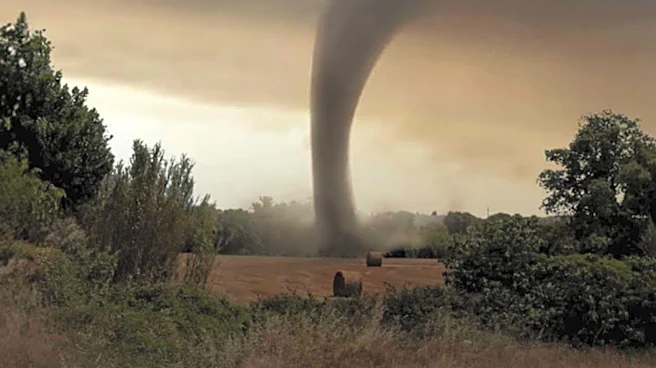
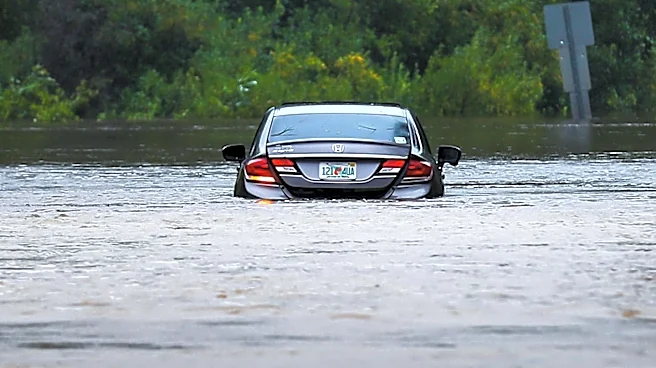
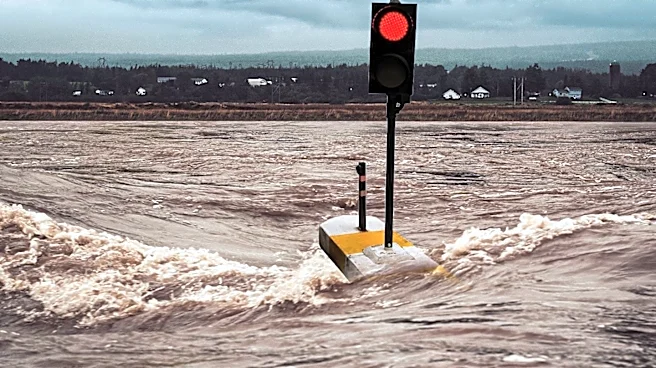
quality as smoke returned to New York City and surrounding areas. The National Weather Service has placed much of the tri-state area under a level 3 risk for severe storms, which could bring flash flooding, damaging winds, and isolated tornadoes. In New York City, areas such as Jamaica, Crown Heights, and Brooklyn Heights have been affected by flooding. Meanwhile, Texas is dealing with the aftermath of historic rainfall, with major rivers like the Devils River and the Rio Grande expected to reach flood stages. Emergency crews have been conducting rescues as the flooding has resulted in at least two fatalities and left hundreds needing assistance.
Why It's Important?
The severe weather conditions in the northeastern US and Texas highlight the increasing frequency and intensity of natural disasters, which have significant implications for public safety and infrastructure. The flash floods and poor air quality pose immediate health risks to residents, particularly those with respiratory issues. The economic impact is also considerable, as flooding disrupts transportation, damages property, and necessitates costly emergency responses. The situation underscores the need for improved disaster preparedness and infrastructure resilience to mitigate the effects of such extreme weather events. Additionally, the ongoing wildfires in Canada and their cross-border impact on air quality emphasize the interconnected nature of environmental challenges.
What's Next?
As the weather conditions evolve, authorities in the affected regions will continue to monitor the situation closely. In the northeast, the focus will be on managing the immediate impacts of the severe storms and ensuring public safety. In Texas, efforts will be directed towards managing river levels and conducting further rescues if necessary. Long-term, there may be discussions on enhancing infrastructure to better withstand such events and improving emergency response strategies. The situation also calls for international cooperation in addressing the root causes of climate-related disasters, such as wildfire management and climate change mitigation.